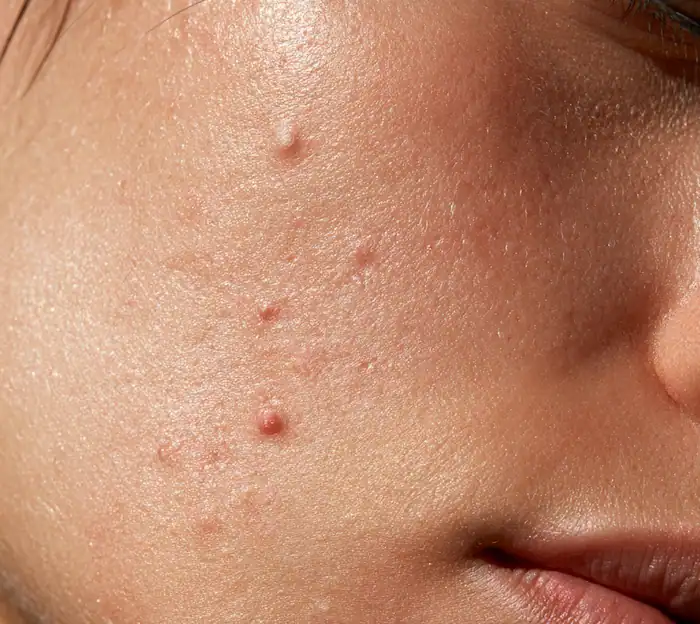
- Key takeaways
- Benzoyl Peroxide Explained: Formulations and Strengths
- Skin Benefits of This Acne-Fighting Ingredient
- How It Kills Acne Bacteria and Unclogs Pores
- Application Frequency, Amount and Timing for Best Results
- Suitability Across Skin Types and Sensitivities
- How Benzoyl Peroxide Works
- Side Effects Ranging From Mild Irritation to Allergic Reaction
- Summary
- Frequently asked questions
Benzoyl peroxide is a topical antibacterial agent used to treat acne, available over the counter in Australia in washes, gels, lotions and creams at strengths between 2.5% and 10%. It works by releasing oxygen free radicals into the follicle, which kills the bacteria that drive inflamed pimples while loosening the plug of dead skin and oil sitting in the pore.
What makes it genuinely useful is its resistance profile. Bacteria don't develop resistance to it, which is why dermatologists still reach for it decades after it first appeared, and why it's routinely combined with topical antibiotics to protect them from losing effect [1]. According to a meta-analysis of randomised trials, fixed combinations containing benzoyl peroxide produce better lesion reduction than the antibiotic or retinoid used alone [2].
It isn't the right answer for everyone. Very sensitive skin, eczema-prone skin and inflamed rosacea often react badly, and for stubborn nodular or hormonal breakouts a stronger prescription approach usually does more. Research also shows that pairing it with tretinoin in a single cream is safe and effective for moderate-to-severe facial acne, which is a prescription decision rather than a pharmacy one [3]. If your breakouts keep coming back, it's worth reading more about how acne is assessed and treated medically.
Key takeaways
- Benzoyl peroxide is an over-the-counter antibacterial and mildly keratolytic topical that reduces Cutibacterium acnes on the skin and helps clear blocked pores.
- Strengths from 2.5% to 10% work similarly well for most people, and the lower strengths tend to cause less dryness and stinging.
- Combination therapy is where the evidence is strongest: benzoyl peroxide paired with adapalene or clindamycin outperforms most single agents for mild to moderate acne [4].
- It bleaches towels, pillowcases and coloured clothing, so white fabric and a careful hand save a lot of laundry grief.
- Persistent, scarring or hormonal acne usually needs more than a supermarket product, and an Australian doctor can assess whether a prescription formula is appropriate.
Benzoyl Peroxide Explained: Formulations and Strengths
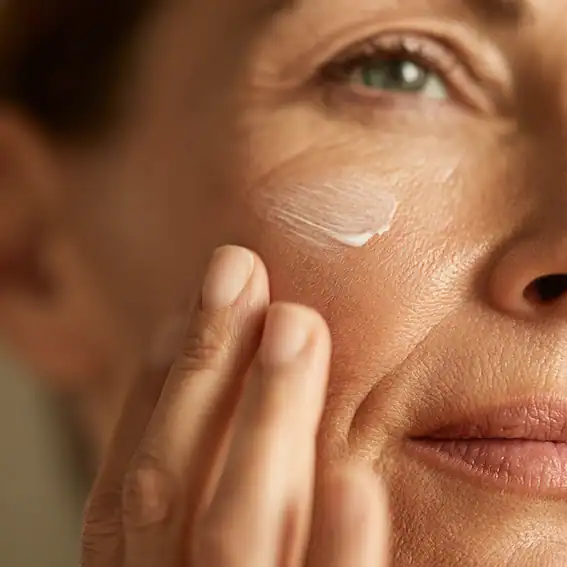
Benzoyl peroxide comes in four practical formats: a wash, a gel, a lotion and a leave-on cream, and the format matters more than the number on the label. A wash sits on the skin for under a minute, so you use it on the chest, back and shoulders where a leave-on product would be impractical and drying. A gel is the standard leave-on choice for the face; smooth a thin layer over the whole affected area rather than dabbing single spots, because you're treating the pores that are about to block, not just the one you can see.
Two practical warnings. It oxidises dye, so any fabric it touches (towels, pillowcases, collars, gym singlets) can bleach permanently, and no label on the bottle will warn you loudly enough. Keep it away from the eyelids, lips, nostrils and broken skin, and don't layer it over freshly exfoliated skin.
| Format | Typical strength | Best suited to | Main drawback |
|---|---|---|---|
| Wash or cleanser | 4% to 10% | Back, chest and shoulders; oily skin that can't tolerate leave-on | Short contact time means a weaker effect on the face |
| Gel (leave-on) | 2.5% to 5% | Facial inflamed pimples; blackheads on the nose as part of a whole-zone routine | Dryness and peeling in the first fortnight |
| Lotion or cream | 2.5% to 5% | Drier or combination skin needing a gentler vehicle | Can feel heavy under sunscreen |
| Prescription combination | 3% with tretinoin 0.1% | Moderate-to-severe acne assessed by a doctor [3] | Needs a prescription; not suitable in pregnancy |
It does little for old marks. If you're asking whether benzoyl peroxide helps acne scars, the honest answer is no; scars and marks are managed separately through hyperpigmentation and resurfacing treatments.
Skin Benefits of This Acne-Fighting Ingredient
The measurable benefit of peroxide is a reduction in inflamed acne lesions, and the evidence behind that is unusually solid for a topical you can buy without a prescription. According to a review in American Family Physician, adapalene plus peroxide and clindamycin plus peroxide rank among the most effective options for mild to moderate acne [4]. Meta-analysis of randomised trials supports the same pattern across both fixed-combination products [1].
Its antibacterial reach is real enough to be used outside dermatology. Clinical evidence indicates preoperative topical peroxide meaningfully reduces Cutibacterium acnes on the skin before shoulder surgery [5], which tells you the bacterial kill isn't marketing.
Where it underdelivers is worth saying plainly. It won't fade post-inflammatory marks, it does little for blackheads on the nose beyond mild unclogging, and it has no anti-ageing role, so anti-wrinkle products and retinoids sit in a separate lane. The FDA and Australian regulators treat it as a general-sale acne active, not a cosmetic fine lines treatment. For acne treatment in Australia, patients often combine it with a prescribed retinoid.
How It Kills Acne Bacteria and Unclogs Pores
Peroxide kills acne bacteria by decomposing on the skin into benzoic acid and oxygen free radicals, which oxidise bacterial proteins inside the follicle. Cutibacterium acnes thrives in the low-oxygen environment of a blocked pore, so flooding that space with oxygen species is a blunt but effective way to cut the bacterial load [5]. Because the damage is chemical rather than enzyme-specific, resistance doesn't develop, unlike with topical antibiotics used alone [1].
The second action is mildly keratolytic. It loosens the sticky cells lining the follicle, which reduces new microcomedones forming and is part of why a thin layer of a leave-on product beats spot-dabbing. That same peeling effect is what causes the dryness people notice in week one.
For back acne, a wash-off cleanser used in the shower is usually the practical choice on large areas. Studies suggest combining the topical with adapalene improves clearance beyond either agent alone [4], which is the logic behind most prescription acne plans.
Application Frequency, Amount and Timing for Best Results
Start peroxide once daily, at night, using a pea-sized amount of a 2.5% lotion or gel across the whole affected zone rather than one pimple. Build to twice daily only if your skin stays comfortable after two weeks. Most reviews of benzoyl peroxide for acne that describe burning skin come from people who started at 10% twice a day on day one.
Cleanse, pat dry, wait a minute, apply the topical, then moisturise over the top once it's absorbed. Daytime sun protection matters because the dryness thins your tolerance for UV. Avoid layering it in the same sitting as a strong acid such as glycolic; alternate nights instead. Ongoing skin irritation usually means you need a lower dose, not a different medication.
Timelines are slow. Expect six to eight weeks before you judge it, and note that it won't help acne scars; pigment and scarring need separate treatment, such as a prescribed hydroquinone cream under medical supervision. To treat acne that hasn't budged after two proper months, a free skin assessment is a sensible next step [3].
Suitability Across Skin Types and Sensitivities
Peroxide suits oily, resilient, inflamed acne-prone skin best, and suits dry, eczematous, rosacea-prone or very sensitive skin least. Oily skin generally tolerates a 5% gel; drier skin does better with a 2.5% lotion used on alternate nights. Read the label for strength rather than assuming the strongest option is the best one, because higher concentrations mainly buy you more dryness.
Darker skin tones need a gentler hand. Persistent skin irritation can leave post-inflammatory pigmentation that outlasts the original pimple, so a lower dose plus a moisturiser is the safer route, and melasma-prone patients should be cautious with any irritant.
Pregnancy is the common question. Topical peroxide is generally considered acceptable in pregnancy, though any medication decision then belongs with your doctor, and a prescribed retinoid is not an option. Combining benzoyl peroxide with a mild acid on separate nights can help treat acne without stacking irritation, and improvements in blackheads are modest at best [4].
How Benzoyl Peroxide Works
Peroxide works by breaking down on contact with the skin into reactive oxygen species that destroy bacterial cell components inside the follicle, while gently shedding the keratin plug that blocks the pore. That dual action is why it sits in nearly every evidence-based acne treatment ladder, from pharmacy shelves to compounded prescriptions [2]. Its antibacterial effect has been quantified outside dermatology too, in surgical skin preparation studies [5].
As a medication it behaves predictably. The effect is local, absorption is minimal, and the response depends far more on consistent use than on concentration, which is why a 2.5% lotion often matches a 10% product for lesion reduction with less stinging.
The oxidising chemistry that kills bacteria also bleaches dye, so fabric contact is unavoidable collateral. Check the label for strength and format, keep the dose modest, and understand it targets active lesions rather than texture; the best cream for ageing concerns will be a retinoid, not this. Combining the topical with adapalene or clindamycin gives better clearance than monotherapy [1], and how our doctor-led process works follows the same combination logic.
Side Effects Ranging From Mild Irritation to Allergic Reaction
The usual side effects of peroxide are mild and predictable: dryness, redness, tightness, flaking and a stinging sensation in the first two weeks. Most irritation settles as the skin adapts, and dropping to alternate-night use or a lower strength lotion usually resolves it without abandoning the acne treatment altogether. Persistent irritation that worsens rather than eases is a sign the concentration is too high for you.
True allergic contact dermatitis is uncommon but real. An allergic reaction looks different from ordinary irritation: intense itch, swelling, weeping or a spreading rash beyond the application area. Stop the product and speak to a doctor if that happens. Very rarely, an allergic response involves throat swelling, faintness or difficulty breathing, and that warrants urgent medical care rather than a wait-and-see approach.
Acne itself is driven by excess sebum, follicular blockage, bacterial overgrowth and inflammation, with hormones and genetics setting the baseline [2]. Because of that, mild irritation from an effective topical is often worth pushing through, though not at the cost of a damaged barrier [3]. If acne persists despite months of correct use, a prescription plan is the reasonable next step, and acne is one of the conditions we treat.
Summary
Peroxide remains one of the most reliable non-prescription options for inflamed breakouts, and it performs best in combination with a retinoid or topical antibiotic rather than on its own [1]. If two months of correct use hasn't shifted things, an Australian doctor at Prescription Skin can review your skin online and, where clinically appropriate, prescribe a compounded formula built around ingredients like tretinoin [3].
Frequently asked questions
What does benzoyl peroxide do to skin?
Peroxide kills acne-causing bacteria in the follicle and mildly exfoliates the pore lining, which reduces inflamed pimples over several weeks. It also dries the skin surface, so flaking and tightness early on are expected rather than a sign something's wrong [4].
Can I use benzoyl peroxide daily for acne?
Yes. Start once nightly, and build to twice daily only if your skin stays comfortable after two weeks. Twice daily suits oily, resilient skin, though it rarely adds much benefit.
Can a doctor help if benzoyl peroxide isn't working?
A doctor can help considerably, because prescription options such as tretinoin or a fixed combination cream outperform over-the-counter products for stubborn acne [3]. An online assessment with an Australian-registered doctor covers whether a compounded formula suits your skin.
Is it okay to put benzoyl peroxide on a pimple?
Applying it to a single pimple is fine, but treating the whole affected area works better. Spot-dabbing only addresses lesions already visible, while a thin layer across the zone prevents the next crop from forming.
Where should you not use benzoyl peroxide?
Keep it away from the eyelids, lips, inside the nostrils, broken or sunburnt skin, and any area with active eczema or rosacea. Avoid using it immediately after a strong exfoliating acid, and mind your towels and coloured clothing.
References
- Sesgundo JA, Borra UR, Teslim AA, Hikal H, Qammar A, Adams D. Letter to the editor: comparative efficacy and safety of clindamycin phosphate/benzoyl peroxide and adapalene/benzoyl peroxide in acne treatment: a systematic review and meta-analysis of randomized controlled trials. Archives of dermatological research. 2024. doi:10.1007/s00403-024-03346-w. PubMed ↩︎
- Aleid A, Aleid AM, Nukaly HY, Mustanyir HAA, Almasabi GY, Alsaeed AM. Comparative efficacy of clindamycin phosphate with benzoyl peroxide versus clindamycin phosphate with adapalene in acne vulgaris: a systematic review and meta-analysis. Scientific reports. 2025. doi:10.1038/s41598-025-05543-7. PubMed ↩︎
- Kontzias C, Zaino M, Feldman SR. Tretinoin 0.1% and Benzoyl Peroxide 3% Cream for the Treatment of Facial Acne Vulgaris. The Annals of pharmacotherapy. 2023. doi:10.1177/10600280221147338. PubMed ↩︎
- Ebell MH. For Mild to Moderate Acne, Adapalene Plus Benzoyl Peroxide, Clindamycin Plus Benzoyl Peroxide, and Adapalene Alone Are Most Effective. American family physician. 2022. PMID:35704803. PubMed ↩︎
- Green N, Jordan RW, Maclean S, et al. Preoperative topical benzoyl peroxide treatment is effective in reducing Cutibacterium acnes in shoulder surgery: a systematic review. Journal of Shoulder and Elbow Surgery. 2023;32(1):213-222. doi:10.1016/j.jse.2022.07.019. PubMed ↩︎
Medically Reviewed Content
- Written by: Prescription Skin Editorial Team
- Medically Reviewed by: Dr Mitch Bishop - AHPRA Registered Practitioner (MED0002309948)
- Last Updated: September 2026
This content is for informational purposes only and does not constitute medical advice. Treatment is subject to consultation and approval by our Australian-registered doctors.