- Key takeaways
- What Acne Scar Treatment Actually Involves
- Comparing Your Options
- What Causes Acne Scars to Form
- The Main Types of Acne Scarring Explained
- Your Options for Treating Acne Scars
- How to Prevent Scarring Before It Sets In
- When to See a Doctor About Acne Scar Treatment
- When to Expect Results From Treatment
- Your Acne Scars Solution Awaits
- How prescription acne scar treatment works
- How to Access Helpful Skincare
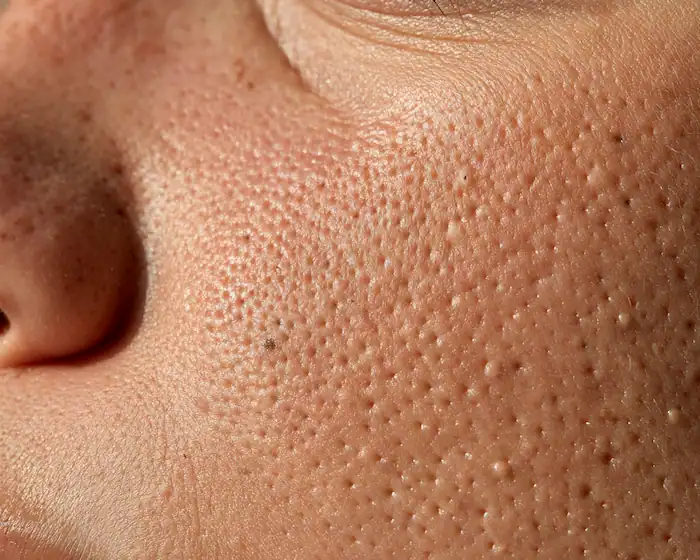
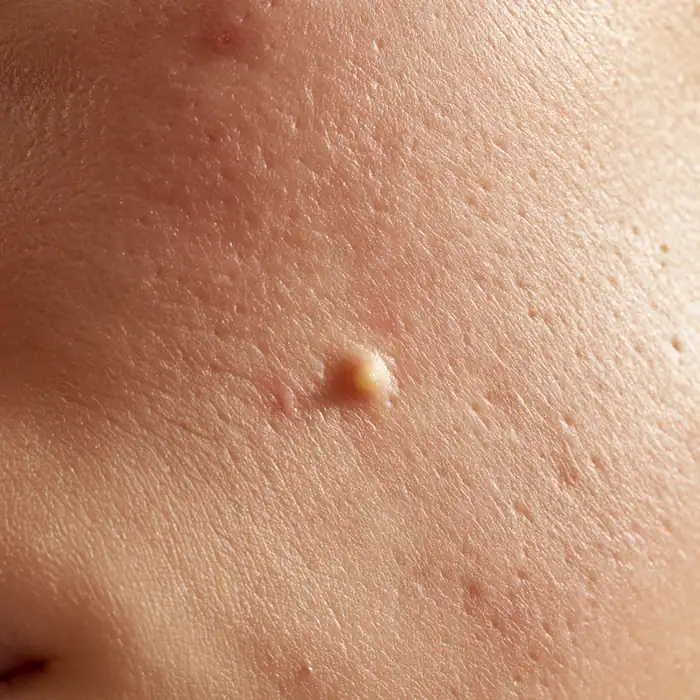
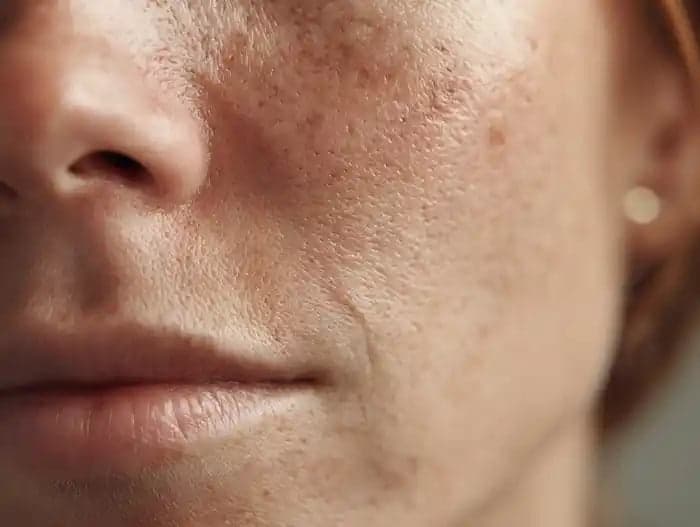
Acne scar treatment is the process of remodelling skin that healed unevenly after breakouts, using procedures and topical actives that rebuild collagen and even out tone. Scars can linger long after the acne itself has settled, and the right approach depends almost entirely on which kind of scar you have.
There are two main families. Atrophic scars sit below the surface because too little collagen formed during healing, and they include ice pick, boxcar and rolling shapes. Hypertrophic and keloid scars are raised because the body laid down too much collagen. Many people carry a mix of both, which is why a single product rarely does the whole job.
Effective acne scar treatment usually combines in-clinic work like fractional laser resurfacing, microneedling, subcision and chemical peels with prescription skincare that supports the skin between sessions. According to a network meta-analysis of acne therapies, both topical and oral pharmacological treatments meaningfully improve outcomes and reduce the risk of fresh scarring.[1] Research on retinoids supports their use as a first-line option because they treat both breakouts and post-acne change.[2] Clinical evidence from a comprehensive review also indicates that combination approaches generally outperform any single ingredient for scarring.[3]
This guide walks through what causes scars, how the main types differ, and the treatments that actually shift them, including a frank look at what each one can and cannot do for Australian patients.
You may also find these related guides helpful: prescription skincare during pregnancy, first 8 weeks on prescription skincare, hyaluronic acid, ascorbic acid, and hyperpigmentation.
Key takeaways
- Acne scars fall into two broad groups, atrophic (depressed) and hypertrophic (raised), and identifying your scar type is the first step in any acne scar treatment plan.
- Most meaningful improvement comes from in-clinic procedures like fractional laser, microneedling, subcision and TCA CROSS, often used in combination rather than alone.
- Prescription skincare with retinoids, azelaic acid and niacinamide improves texture and post-acne marks over time, and supports healing between procedures.
- Active acne should be controlled first, because new breakouts create new scars no procedure can outrun.
- Darker skin needs treatment matched to skin tone to avoid post-inflammatory hyperpigmentation, so a proper assessment matters.
What Acne Scar Treatment Actually Involves
Acne scar treatment involves choosing a procedure or topical regimen that matches your specific scar type, skin tone and tolerance for downtime, rather than a single fix that suits everyone. According to a network meta-analysis, pharmacological treatments improve acne and reduce ongoing scarring, while research shows retinoids work well as a first-line topical for both acne and its aftermath.[1][2] A comprehensive review also indicates combined topical therapy generally beats single agents for scarring.[3]
Comparing Your Options
The table below maps common options to the scars they suit best.
| Option | Best for | How it works | Downtime | Safe for darker skin |
|---|---|---|---|---|
| Fractional laser | Severe textured, rolling and boxcar scars | Controlled micro-injury triggers collagen remodelling | 3 to 7 days | Caution needed |
| Microneedling | Atrophic scars across most scar types | Needle micro-injury stimulates collagen | 1 to 3 days | Yes |
| TCA CROSS | Ice pick and narrow scars | Trichloroacetic acid applied into each scar | 5 to 7 days | Yes |
| Subcision | Tethered rolling scars | Releases scar tissue from the layer beneath | 3 to 7 days | Yes |
| Prescription skincare | Texture, post-inflammatory marks, prevention | Retinoids and azelaic acid drive cell turnover | None | Yes |
What Causes Acne Scars to Form
Acne scars form when inflammation from a breakout damages the deeper layers of skin and the repair process lays down either too little or too much collagen. Deep, cystic and inflammatory acne carries the highest risk, because the more the dermis is disrupted, the harder it is to heal cleanly.
Picking and squeezing makes this worse by pushing inflammation deeper and prolonging healing. Genetics play a part too, since some people scar more readily than others from the same level of acne. According to research on retinoids as a first-line option, controlling inflammation early is one of the most reliable ways to limit permanent scarring.[2] A comprehensive review similarly indicates that delayed or undertreated acne raises the long-term scarring burden.[3] This is why getting on top of active breakouts matters as much as treating the scars that already exist, and why prescription acne treatment and acne scar treatment often run in parallel.[1]
The Main Types of Acne Scarring Explained
Acne scars split into atrophic scars, which sit below the surface, and hypertrophic or keloid scars, which sit raised above it, and the depressed group is by far the most common on the face. Knowing which you have decides which acne scar treatment will actually help.
Ice pick scars are narrow and V-shaped, plunging deep into the dermis like tiny puncture marks, and they are the toughest to treat. Boxcar scars are wider with sharp, defined edges and can be shallow or deep. Rolling scars have soft, sloping edges and a wave-like look, caused by fibrous bands tethering the surface to deeper tissue. Raised scars, including keloids, develop when the body overproduces collagen during repair, and keloids extend beyond the original wound.
According to a network meta-analysis, matching treatment to scar type and severity is central to good outcomes.[1] A comprehensive review reinforces that mixed scarring usually needs more than one technique.[3] Most patients present with a blend, so plans are built around the dominant scar type while addressing the rest.
Your Options for Treating Acne Scars
Your options for treating acne scars range from resurfacing and needling through to targeted surgical techniques, chosen by scar type and skin tone. Fractional laser resurfacing suits severe textured, boxcar and rolling scars by creating controlled micro-injuries that drive collagen remodelling, and ablative laser goes deeper for the most stubborn scarring.
Microneedling and radiofrequency needling stimulate collagen across most scar types with little downtime, and they are generally safer than laser on deeper skin tones. TCA CROSS treats individual ice pick scars by applying acid directly into each one. Subcision releases tethered rolling scars from below, while punch excision removes single ice pick marks surgically. Chemical peels and dermal fillers round out the toolkit for surface texture and temporary volume. Most people do best with a combination, supported by prescription skincare between sessions.
How to Prevent Scarring Before It Sets In
The most reliable way to prevent scarring is to treat acne early and consistently before inflammation has a chance to damage the dermis. Deep, persistent or cystic breakouts are the ones that scar, so getting them under control quickly matters more than any after-the-fact procedure.
Leave lesions alone. Picking and squeezing pushes inflammation deeper and is one of the most common avoidable causes of permanent marks. Daily sunscreen also matters, because UV exposure darkens healing scars and post-inflammatory marks, making them slower to fade. For ongoing breakouts, a prescription regimen built around retinoids or salicylic acid helps clear lesions and limit new scar formation. Where breakouts are severe or scarring fast, earlier escalation to stronger treatment is the conservative call.
When to See a Doctor About Acne Scar Treatment
See a doctor about acne scar treatment when scars are deep, widespread, raised, or sitting alongside acne that keeps coming back, because that combination needs a plan rather than an off-the-shelf product. A doctor can confirm your scar type, flag whether your skin tone raises the risk of pigmentation from certain lasers, and sequence treatment so active acne is settled first.
It is also worth a consult if over-the-counter products have made no real difference after a few months, or if scarring is affecting your confidence. Keloid and hypertrophic scars in particular warrant medical assessment, since they can worsen with the wrong approach. In Australia, the prescription actives that help with texture and tone, such as tretinoin, are only available after a doctor's review, so that conversation is the practical starting point.
When to Expect Results From Treatment
Acne scars are permanent changes in skin texture left behind when a breakout disrupts collagen during healing, and most treatment works by rebuilding or remodelling that collagen. Depressed scars reflect too little collagen, raised scars reflect too much, and almost every effective procedure aims to trigger fresh collagen production in a controlled way.
What this means in practice is patience. Collagen remodelling is slow, so microneedling can take many months to show its full effect on scar depth, and laser or peel programmes usually run across several sessions. Prescription skincare supports the same biology more gently over time, improving texture and post-inflammatory marks while you work through in-clinic treatment. Realistic expectations help: significant improvement is achievable, but complete erasure usually is not.
Your Acne Scars Solution Awaits
The most durable results after acne scar treatment come from pairing in-clinic procedures with a consistent prescription regimen that keeps working between sessions. After a procedure, skin is in active repair, and topical actives like retinoids and niacinamide can support that healing while helping prevent the new marks that derail progress.
At Prescription Skin, doctors assess your skin through an online skin assessment and, where clinically appropriate, build a personalised prescription formula aimed at texture, tone and ongoing breakout control. Plans include free formula reviews and adjustments on each refill, so as your skin responds the focus can shift toward scarring. It is not a substitute for procedural work on deep scars, but it is a practical, doctor-guided foundation for the long game.
How prescription acne scar treatment works
Prescription acne scar treatment works by combining actives that drive cell turnover, calm inflammation and even out pigment in a single formula. Retinoids such as tretinoin stimulate new collagen and refine texture, which is why they sit at the centre of most scar-focused regimens. Azelaic acid reduces redness and post-inflammatory pigment while it lifts cell turnover, and niacinamide supports the skin barrier and damps inflammation.
Used together, these actives address texture, tone and lingering breakouts at once, rather than one concern at a time. The effect is gradual and depends on consistent daily use over months, not days, so it complements procedural work rather than replacing it for deep scars.
How to Access Helpful Skincare
In Australia, the prescription actives used for acne scars, including tretinoin, are only available after a doctor's review. You cannot buy them over the counter, and that is a deliberate safety step rather than a hurdle.
With Prescription Skin, you complete an online skin assessment that an Australian-registered doctor reviews. Where it is clinically appropriate, the doctor creates a personalised formula and arranges supply, with free reviews and adjustments on each refill. In-clinic procedures like laser, microneedling and subcision are done separately by a clinic that offers them, so many patients run a prescription regimen alongside procedural treatment. Costs vary, and these treatments are generally not covered by the PBS.
Side effects and safety
The most common side effects of prescription scar regimens are dryness, redness, peeling and temporary sensitivity, especially in the first few weeks on a retinoid. This settles for most people as the skin adjusts, and starting at a lower strength or applying less often helps. Daily sunscreen is non-negotiable, since retinoids and azelaic acid increase sun sensitivity and UV darkens healing marks.
Some actives are not suitable in pregnancy or breastfeeding, including tretinoin, so always disclose this during your assessment. Procedural treatments carry their own risks, mainly post-inflammatory hyperpigmentation on deeper skin tones with certain lasers. If you get severe irritation, swelling or signs of an allergic reaction, stop and seek medical advice.
Who is and is not a candidate for prescription scar treatment
Good candidates for prescription acne scar treatment are adults with post-acne texture, post-inflammatory marks or ongoing breakouts whose skin can tolerate active ingredients. It also suits people who want to support healing between procedures, or who are not ready for in-clinic work and want to start conservatively.
It is not suitable for everyone. People who are pregnant or breastfeeding cannot use tretinoin and need a modified plan, and some actives are avoided with certain conditions or allergies. Very deep ice pick or boxcar scars, and raised keloid scars, usually need procedural or surgical treatment rather than topicals alone. Whether a prescription formula is appropriate is decided by the reviewing doctor at assessment, not assumed in advance.
Summary
Acne scars improve most when treatment is matched to the scar type, with deep atrophic and raised scars usually needing procedures like fractional laser, microneedling, subcision or TCA CROSS, and prescription skincare supporting texture and tone over time. According to a network meta-analysis, pharmacological treatment reduces ongoing scarring, and research backs retinoids as a first-line topical.[1][2] Prescription Skin uses an online, doctor-reviewed prescription skincare model, building a personalised formula where clinically appropriate. A skin assessment is the practical next step.
Frequently asked questions
Which is the best treatment for acne scars?
The best treatment for acne scars depends on your scar type. Fractional laser resurfacing suits severe textured, rolling and boxcar scars, while TCA CROSS works well for ice pick scars and subcision targets tethered rolling scars. Most people with mixed scarring get the strongest results from a combination of procedures supported by prescription skincare.
How do you get rid of acne scars?
You get rid of acne scars by first controlling active acne, then choosing procedures matched to your scar type, and supporting healing with prescription actives. According to research on combination therapy, layered approaches outperform single treatments for scarring.[4] Patience matters, since collagen remodelling takes months.
Can a doctor prescribe acne scar treatment online?
Yes, a doctor can prescribe topical treatment for acne scars online in Australia after reviewing your skin. At Prescription Skin, you complete a skin assessment, an Australian-registered doctor reviews it, and a personalised formula is created where clinically appropriate. Online prescribing covers topical actives, not in-clinic procedures like laser.
What removes acne scars quickly?
Nothing removes acne scars overnight, but dermal fillers give the fastest visible change by lifting depressed scars immediately, lasting several months. According to a narrative review of topical treatments, prescription actives improve scars gradually rather than instantly.[5] Deeper scars still need procedural work for lasting results.
Can acne scars go away 100%?
Acne scars rarely disappear completely, but significant improvement is realistic. According to research on newer treatment approaches, outcomes depend on scar type, skin tone and tailoring treatment to individual risk factors.[6] An eight-week controlled trial of a novel combination formulation showed measurable gains over that period.[7] Set expectations around improvement, not erasure.
References
- Mavranezouli I, Daly CH, Welton NJ, et al. A systematic review and network meta-analysis of topical pharmacological, oral pharmacological, physical and combined treatments for acne vulgaris. British Journal of Dermatology. 2022;187(5):639-649. doi:10.1111/bjd.21739. PubMed ↩︎
- Issa N, Alexis A, Baldwin H, et al. Recommendations to Improve Outcomes in Acne and Acne Sequelae: A Focus on Trifarotene and Other Retinoids. Dermatology and Therapy. 2025;15(3):563-577. doi:10.1007/s13555-025-01344-y. PubMed ↩︎
- Tajdari M, Abolghasemi S, Khanniri E, et al. A Comprehensive Review of Acne Treatments: Unpacking the Chemical Structures and Effective Bioactive Compounds. Health Science Reports. 2026;9(2):e71803. doi:10.1002/hsr2.71803. PubMed ↩︎
- Wulandari C, Sari W, Wahyuni S. The Evolving Paradigm of Acne Vulgaris Management: A Systematic Review Emphasizing Evidence-Based Combination Therapy, Antimicrobial Stewardship, and Patient-Reported Outcomes. The Indonesian Journal of General Medicine. 2025;20(1):10-35. doi:10.70070/9zftvn36. DOI ↩︎
- Althwanay A, AlEdani EM, Kaur H, et al. Efficacy of Topical Treatments in the Management of Mild-to-Moderate Acne Vulgaris: A Systematic Review. Cureus. 2024;16(4):e57909. doi:10.7759/cureus.57909. PubMed ↩︎
- Li Y, Hu X, Dong G, et al. Acne treatment: research progress and new perspectives. Frontiers in Medicine. 2024;11:1425675. doi:10.3389/fmed.2024.1425675. PubMed ↩︎
- Ghazanfar MN, Al-Mousawi A, Riemer C, et al. Effectiveness of a Machine Learning-Enabled Skincare Recommendation for Mild-to-Moderate Acne Vulgaris: 8-Week Evaluator-Blinded Randomized Controlled Trial. JMIR Dermatology. 2025;8:e60883. doi:10.2196/60883. PubMed ↩︎
Medically Reviewed Content
- Written by: Prescription Skin Editorial Team
- Medically Reviewed by: Dr Mitch Bishop - AHPRA Registered Practitioner (MED0002309948)
- Last Updated: June 2026
This content is for informational purposes only and does not constitute medical advice. Treatment is subject to consultation and approval by our Australian-registered doctors.
Part of our condition guide
Acne →