- Key takeaways
- What Are Brown Spots on the Face?
- What Causes Brown Spots on Your Face?
- Common Types of Brown Spots on the Face
- Treatment Options for Brown Spots on the Face
- How the Right Skincare Helps Fade Brown Spots
- Which Skin Type Suits Brown Spot Treatment?
- Preventing Brown Spots With Daily Sun Protection
- When to See a Doctor About Brown Spots
- Brown Spots, Freckles & Pigmentation
- How to get prescription pigment treatment in Australia
- Side effects and safety
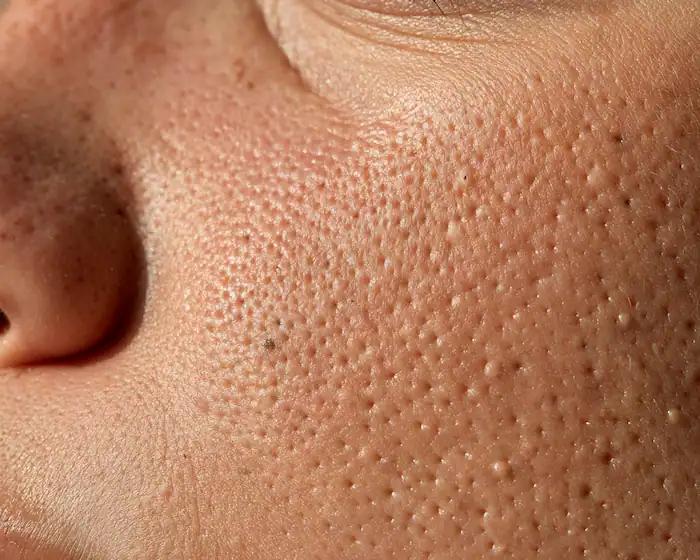
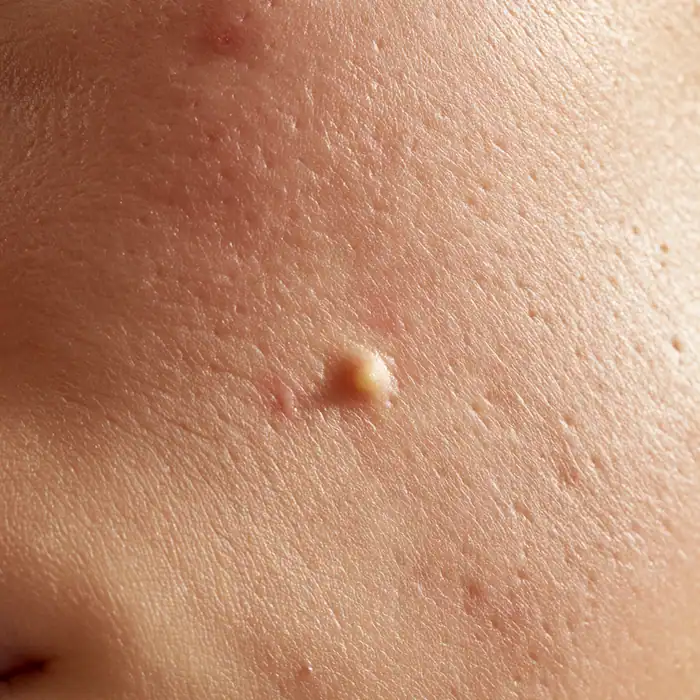
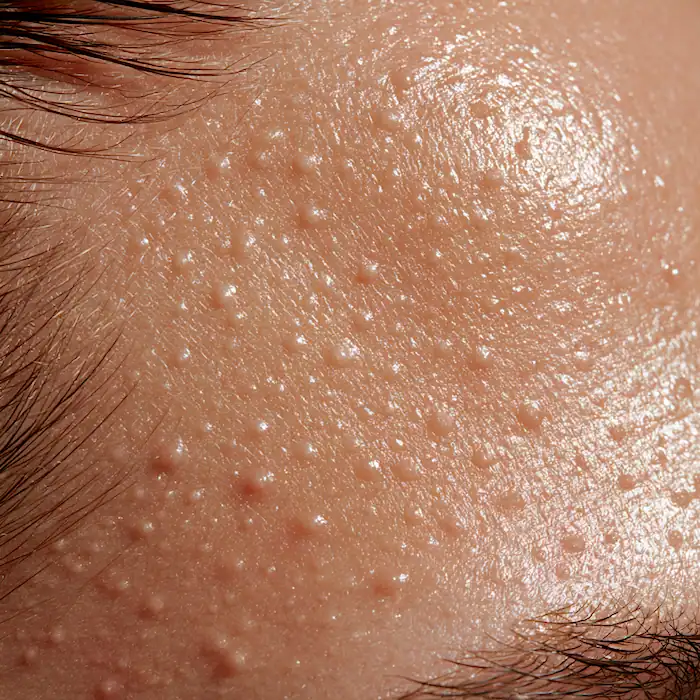
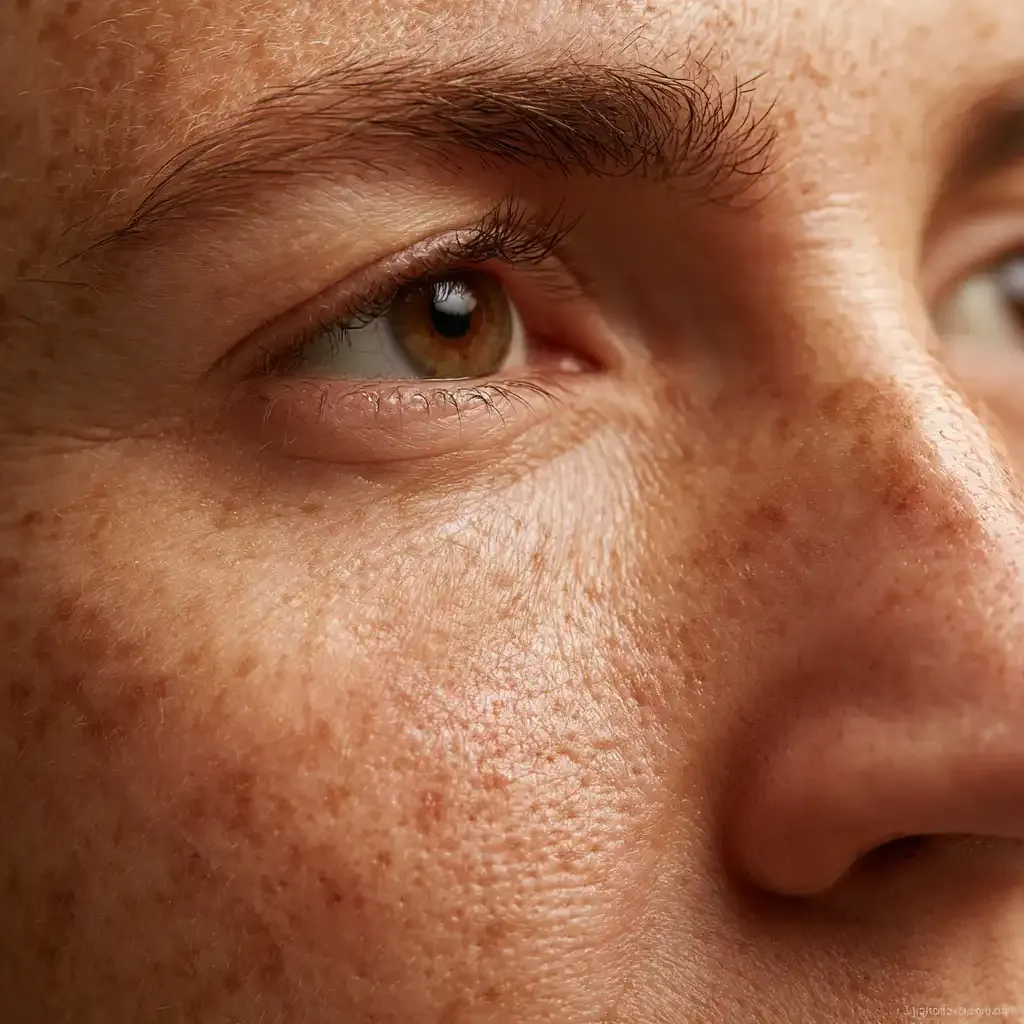
Brown spots on the face are flat patches of darker skin caused by an uneven build-up of melanin, the pigment that gives skin its colour. They turn up most often on areas that catch the most light, like the cheeks, forehead, nose, and upper lip. Some appear gradually with age and sun, while others arrive more suddenly after hormonal shifts such as pregnancy.
Most of these marks are cosmetic rather than dangerous, but they can be stubborn and slow to shift on their own. The good news is that pigmentation responds well to the right treatment once you know what type you're dealing with.
This guide explains what causes brown spots on the face, the main types you'll come across, and which ingredients actually help fade them. We'll cover sun protection, when a spot is worth getting checked, and how a doctor-led prescription approach fits in. If you're comparing over-the-counter products with prescription options, you'll find the practical differences here. You can also read more on hyperpigmentation if your concern is more widespread than a few isolated marks.
Key takeaways
- Brown spots on the face are areas of excess melanin, usually triggered by sun exposure, ageing, or hormonal change.
- Most are harmless, but any spot that changes shape, colour, or size should be checked by a doctor.
- Prescription ingredients such as hydroquinone and tretinoin, along with niacinamide, can fade pigmentation when used under medical guidance.
- Daily broad-spectrum sunscreen is the single most important step for preventing new spots and protecting your results.
- Fading takes time, so realistic expectations and consistency matter more than any single product.
What Are Brown Spots on the Face?
Brown spots on the face are small areas where pigment-producing cells deposit more melanin than the skin around them, leaving a flat dark patch. A single brown spot can be tan, brown, or almost black, and it usually sits level with the skin rather than raised. The terms people use vary, so a quick comparison helps clarify what's likely to appear and why.
| Type | Main trigger | Typical look |
|---|---|---|
| Solar lentigines (sun spots) | Cumulative UV | Well-defined tan to brown patches on sun-exposed skin |
| Freckles (ephelides) | Sun in fair skin | Small, light, fade in winter |
| Melasma | Hormones plus UV | Larger symmetrical patches, often on cheeks |
| Post-inflammatory marks | Healed acne or injury | Brown marks where a spot or wound healed |
Knowing which category fits your skin is the first step, because each one responds to slightly different treatment.
What Causes Brown Spots on Your Face?
Brown spots on the face are caused by overactive melanin production, and the most common driver by far is ultraviolet light. Sun exposure prompts melanocytes to make extra pigment as a defence, and over years this shows up as discrete brown patches on the face and hands.
Hormones are the other major factor. Pregnancy, the contraceptive pill, and hormonal therapy can all switch on melasma, which is why a brown spot may appear during these times even without much extra sun. Inflammation matters too, so healed acne, eczema, or a harsh chemical peel can leave pigment behind as the skin recovers.
Genetics and skin tone influence how readily you pigment and how dark the marks become. The practical upshot is that brown spots usually reflect a mix of UV, hormones, and how reactive your skin is, rather than a single cause.
Common Types of Brown Spots on the Face
The most common types of facial brown spots are sun spots, freckles, melasma, and post-inflammatory pigmentation. A sun-related brown spot tends to have a clear edge and sits on areas with the most light exposure, while freckles are smaller and lighten in cooler months.
Melasma is different again, forming larger symmetrical patches that often track with hormonal change. Post-inflammatory marks follow acne or an injury and can be made worse if you exfoliate too aggressively while skin is still healing. Sorting the brown spots on your face into the right group makes treatment far more predictable, because what fades melasma is not always the gentlest approach for post-acne marks.
Treatment Options for Brown Spots on the Face
Treatment for brown spots depends on whether the pigment is mainly sun-related or hormonal, since the two behave differently. Hydroquinone is an ingredient that slows the enzyme melanocytes use to make pigment, which is how it gradually fades a brown spot over a course of weeks. It's often paired with tretinoin to speed cell turnover and help the lightening agent reach where it's needed.
Working out whether your marks are hormonal or sun-driven changes the plan. Sun spots respond well to topical lightening agents plus strict UV protection, while melasma needs a gentler, longer approach because heat and light can flare it. Post-acne dark marks usually settle with pigment-fading actives once the underlying acne is controlled.
Procedures like lasers and peels exist too, but they carry more risk of rebound pigmentation in deeper skin tones, so topical, doctor-guided treatment is often the sensible starting point.
How the Right Skincare Helps Fade Brown Spots
The right skincare fades pigment by combining ingredients that reduce melanin production with ones that lift existing pigment and protect against new damage. A well-built skincare routine usually pairs a lightening active with a retinoid and consistent sun protection, so a dark spot has a chance to fade without fresh pigment forming.
Niacinamide is a useful addition because it limits pigment transfer to skin cells and calms inflammation that can darken a brown spot. Antioxidants such as vitamin C support the same goal during the day. Where over-the-counter skincare plateaus, a doctor-led prescription formula can step up the active strength under supervision. You can read more about how a structured plan works in our guide to the first 8 weeks on prescription skincare.
Which Skin Type Suits Brown Spot Treatment?
Most skin types can be treated for brown spots, but the approach should change with how reactive and how deeply pigmented your skin is. A fair, sun-sensitive skin type often tolerates stronger actives but burns easily, so sun protection becomes non-negotiable to stop a treated brown spot returning.
Deeper skin tones make pigment readily and can develop a new dark spot from irritation alone, so gentler concentrations and slow introduction matter more. Sensitive and rosacea-prone skin needs the calmest possible routine, since heat and inflammation drive pigment. This is exactly why matching actives to your skin type is worth a doctor's input rather than picking the strongest product on the shelf. If redness is part of your picture, our notes on rosacea are a useful companion read.
Preventing Brown Spots With Daily Sun Protection
Daily sun protection is the most effective way to prevent brown spots, because ultraviolet light drives the pigment changes behind nearly all of them. According to research on common pigmentary disorders, cumulative UV exposure is a central factor in both new spots and the worsening of existing ones.[1]
It helps to know what you're protecting against. Sun spots and age spots are the same thing, solar lentigines, and they reflect long-term sun damage rather than a disease. Studies suggest melasma is distinct because hormones drive it alongside UV, which is why it can persist even with diligent sun habits.[2] Freckles sit in their own group, fading in winter and darkening in summer.
A simple daily routine for fading existing marks pairs prevention with treatment. Use a broad-spectrum SPF 50+ every morning, reapply if you're outdoors, and apply your lightening actives at night. Clinical evidence indicates that topical agents work best when combined with consistent photoprotection, since unprotected skin keeps making the very pigment you're trying to lift.[3] A hat and shade do real work too, especially through the Australian summer. An age spot that's protected from light fades faster and is far less likely to come back.
When to See a Doctor About Brown Spots
You should see a doctor when a brown spot changes in size, shape, or colour, or develops an irregular border, since these can be warning signs of skin cancer. Most pigmentation from sun exposure is harmless, but a single spot that looks different from the others deserves a proper check.
Book a review if a mark bleeds, itches persistently, or won't heal, or if a dark patch appears suddenly without an obvious cause. It's also worth seeing a doctor before starting strong lightening treatment, because the wrong product can cause irritation and leave more pigment behind. A doctor can confirm what type of spot you have and rule out anything serious before you treat it cosmetically.
Brown Spots, Freckles & Pigmentation
Brown spots, freckles, and other pigmentation all come from melanin, but they differ in trigger, depth, and how they respond to treatment. Freckles are largely genetic and react to UV exposure, darkening in summer and fading in winter, while a brown spot from sun damage tends to be permanent until treated. Broader pigmentation like melasma sits deeper and behaves more stubbornly.
Tretinoin earns its place across most of these because it speeds skin cell turnover, which helps shed pigmented cells and lets lightening agents work more effectively. It also improves how evenly pigment is distributed over time, so the overall tone looks clearer. Because tretinoin makes skin more sensitive to UV exposure, it always sits alongside daily sun protection. If your concern is mainly freckling or scattered marks, our piece on retinol versus tretinoin explains how these retinoids differ in strength and use.
How to get prescription pigment treatment in Australia
In Australia, prescription pigment treatments such as hydroquinone above 2% and tretinoin are only available after a doctor decides they're clinically appropriate for you. According to reviews of hyperpigmentation management, these agents work by reducing melanin production and turning over pigmented cells, which is why they sit behind a prescription rather than on the shelf.[1]
The usual path is an online skin assessment, where a doctor reviews your history and photos and asks about the kind of dark marks you have. Research shows topical regimens are most effective when matched to the type of pigmentation rather than applied blindly.[2] If a prescription formula suits you, it's dispensed with clear instructions, and daily sunscreen is built into the plan from day one. Clinical evidence indicates the active ingredients only do their job when fresh UV damage is kept in check.[3] You can start with an online skin assessment to see whether treatment is appropriate.
Side effects and safety
The most common side effects of pigment treatments are dryness, redness, and temporary irritation, which usually settle as your skin adjusts. According to research on hyperpigmentation therapies, hydroquinone is effective but should be used in supervised courses rather than indefinitely, to avoid the rare risk of paradoxical darkening of the skin tone.[1]
Tretinoin commonly causes flaking and sun sensitivity early on, so introducing it slowly helps. Studies suggest combining actives at appropriate strengths reduces irritation while still lowering melanin output.[2] Some marks can briefly look darker before they fade, which is normal as old pigment lifts. Clinical evidence indicates that careful use with sun protection gives the best balance of results and safety.[3] A doctor monitors how your dark patches respond and adjusts the formula if your skin reacts.
Who is and is not a candidate for treatment
Good candidates for prescription pigment treatment are adults with stubborn dark marks that haven't responded to over-the-counter skincare and who can commit to daily sun protection. According to reviews of pigmentary disorders, treatment works best when the cause is clear and the person understands it takes weeks to see a dark spot fade.[1]
Some people aren't suitable. Pregnancy and breastfeeding rule out hydroquinone and tretinoin, so a doctor will pause or change the plan. Research shows people prone to rebound pigmentation, often those with more melanin in their skin, need gentler regimens and closer monitoring.[2] Anyone with an undiagnosed or changing spot should have it assessed first. Clinical evidence indicates that matching the regimen to the individual gives safer, steadier fading of dark marks.[3] For pregnancy-specific guidance, see our notes on prescription skincare during pregnancy.
Summary
This article explains what causes brown spots on the face, the common types including sun spots, freckles, melasma, and post-inflammatory marks, the prescription and skincare ingredients that fade them including hydroquinone, tretinoin, and niacinamide, how to match treatment to your skin type, the role of daily sun protection, and when to see a doctor about a changing spot.[1][4] Prescription Skin offers customised prescription formulas that combine pigment-fading actives like hydroquinone, tretinoin, and niacinamide in a single treatment prescribed by an AHPRA registered doctor, providing a more targeted approach than over the counter pigmentation creams for sun spots, melasma, and post-inflammatory marks.
Frequently asked questions
Why do brown spots appear after pregnancy?
Brown spots appear after pregnancy because hormonal changes increase melanin production, often as melasma. Rising oestrogen and progesterone stimulate pigment cells, and when combined with sun exposure they create symmetrical brown patches on the cheeks, forehead, and upper lip. Many cases fade gradually after birth, but some persist and benefit from doctor-guided treatment.
How does niacinamide help with facial pigmentation?
Niacinamide helps facial pigmentation by reducing the transfer of melanin into skin cells and calming inflammation that can darken marks. According to reviews of cosmeceuticals for hyperpigmentation, it's a well-tolerated active that pairs well with stronger agents.[3] You can read more about niacinamide and how it fits a routine.
Can a doctor help with brown spots on the face?
Yes, a doctor can help with brown spots on the face by confirming the type of pigmentation and, where appropriate, prescribing treatment. A doctor rules out anything serious first, then matches actives such as hydroquinone, tretinoin, or niacinamide to your skin and monitors how it responds.
How can you tell if a brown spot is harmless or skin cancer?
A brown spot is more likely harmless when it's flat, even in colour, and stable over time, whereas changes in size, shape, colour, or an irregular border can signal skin cancer. According to research on facial hyperpigmentation, any new or evolving lesion should be assessed by a doctor.[5]
How long do brown spots take to fade naturally?
Brown spots usually take several weeks to a few months to fade with treatment, and longer without it. Most topical regimens show visible improvement around eight to twelve weeks, provided sun protection is consistent. Deeper or hormonal pigmentation like melasma can take longer and may recur if UV exposure isn't controlled.
References
- Wang RF, Ko D, Friedman BJ, et al. Disorders of hyperpigmentation. Part I. Pathogenesis and clinical features of common pigmentary disorders. Journal of the American Academy of Dermatology. 2023;88(2):271-288. doi:10.1016/j.jaad.2022.01.051. PubMed ↩︎
- Nautiyal A, Wairkar S. Management of hyperpigmentation: Current treatments and emerging therapies. Pigment cell & melanoma research. 2021. doi:10.1111/pcmr.12986. PubMed ↩︎
- Searle T, Al-Niaimi F, Ali FR. The top 10 cosmeceuticals for facial hyperpigmentation. Dermatologic therapy. 2020. doi:10.1111/dth.14095. PubMed ↩︎
- Praetorius C, Sturm RA, Steingrimsson E. Sun-induced freckling: ephelides and solar lentigines. Pigment cell & melanoma research. 2014. doi:10.1111/pcmr.12232. PubMed ↩︎
- Syder NC, Quarshie C, Elbuluk N. Disorders of Facial Hyperpigmentation. Dermatologic clinics. 2023. doi:10.1016/j.det.2023.02.005. PubMed ↩︎
Medically Reviewed Content
- Written by: Prescription Skin Editorial Team
- Medically Reviewed by: Dr Mitch Bishop - AHPRA Registered Practitioner (MED0002309948)
- Last Updated: June 2026
This content is for informational purposes only and does not constitute medical advice. Treatment is subject to consultation and approval by our Australian-registered doctors.