- Key takeaways
- What Does Skin Texture Actually Mean?
- Comparing Your Options
- What Causes Sudden Rough Skin Texture?
- How Long Does Your Skin Type Take to Improve?
- How Does Skincare Improve Rough Skin Texture?
- How Do You Prevent Bumpy, Uneven Skin?
- When Should You See a Doctor About Rough Skin?
- How Do You Soothe Stressed-Looking Skin?
- What Triggers Changing Skin Texture Over Time?
- What Skincare Routine Suits Teens and Tweens?
- Summary
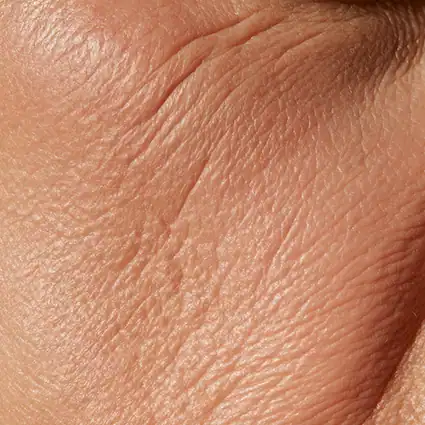
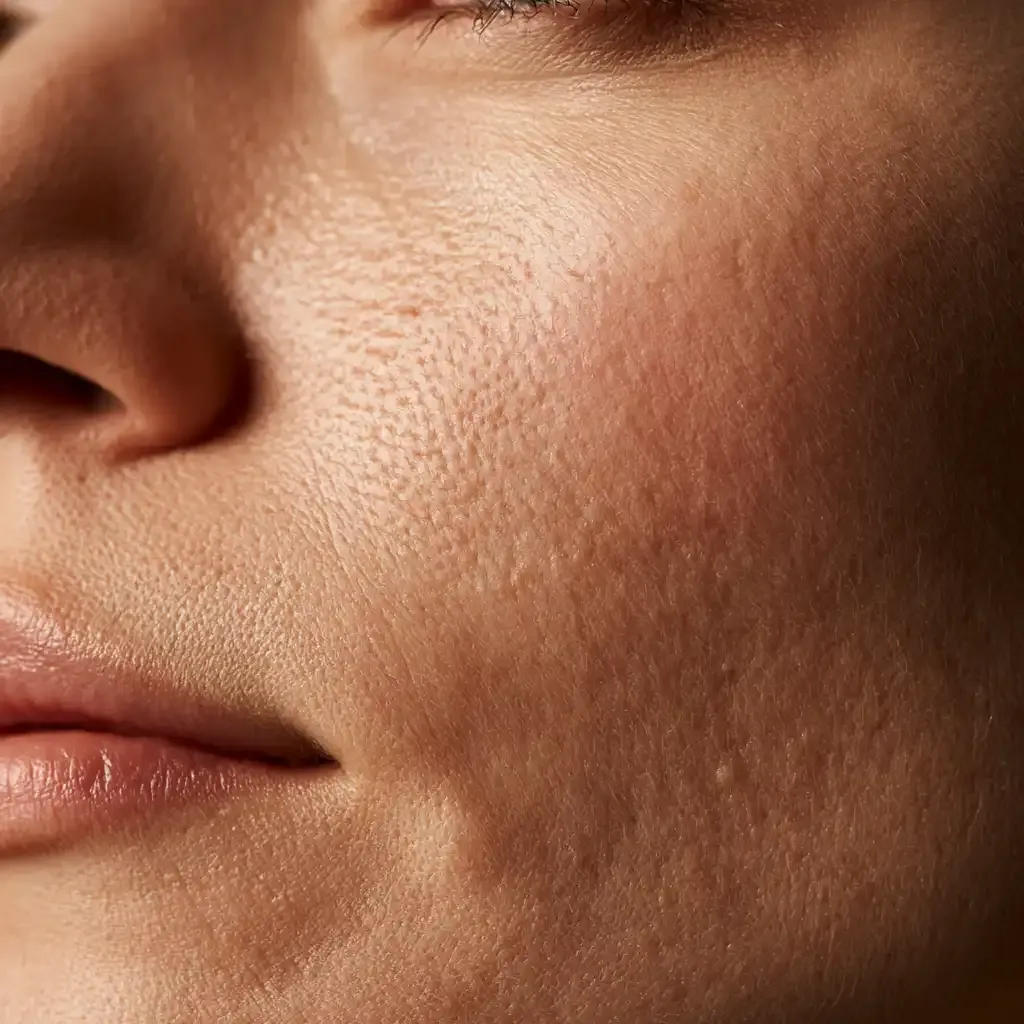
Rough skin texture is what you feel when the surface of your skin loses its smooth, even quality and starts to feel grainy, bumpy, or like fine sandpaper under your fingertips. It's incredibly common, and most of the time it isn't a sign of anything serious. Our sense of touch is finely tuned to detect these surface changes, and the brain processes smooth and rough textures through distinct sensory pathways[1].
The causes range from dead cell build-up and dryness through to sun damage and conditions like keratosis pilaris. Surface roughness reflects real physical differences in how the skin sits and reflects light, much like the way rough and smooth surfaces behave differently in the lab[2]. Understanding what's driving your rough skin texture is the first step toward choosing a treatment that actually works for your skin, and this fits closely with our broader work on fine lines and skin texture.
You may also find these related guides helpful: first 8 weeks on prescription skincare and finding an effective anti wrinkle cream for sensitive skin.
Key takeaways
- Rough skin texture usually comes from a build-up of dead skin cells, sun damage, dehydration, or a benign condition like keratosis pilaris, not from poor hygiene.
- Gentle exfoliating acids, retinoids, and consistent moisturising improve most rough patches over several weeks, with full change often taking 12 weeks or more.
- Prescription ingredients like tretinoin and azelaic acid can help where over-the-counter products stall, but they need a doctor's assessment first.
- See a doctor if a rough patch bleeds, grows, changes colour, or won't settle, since some lesions need proper examination.
What Does Skin Texture Actually Mean?
Skin texture describes the surface quality of your skin: how smooth, rough, or bumpy it feels and looks under light. Texture perception is genuinely a sensory process, and the brain registers smooth versus rough surfaces differently when you run a finger across them[1]. The same physical principle applies to skin, where a rougher surface scatters light and feels uneven, while a smoother one reflects more evenly[2].
Comparing Your Options
Here's how the common texture types compare and what tends to help each one.
| Texture type | What it feels like | Common factor | Helpful approach |
|---|---|---|---|
| Smooth | Even, soft | Healthy barrier | Maintain with a gentle ceramide moisturiser |
| Rough | Sandpaper-like | Dead cell build-up | An exfoliating product with salicylic acid |
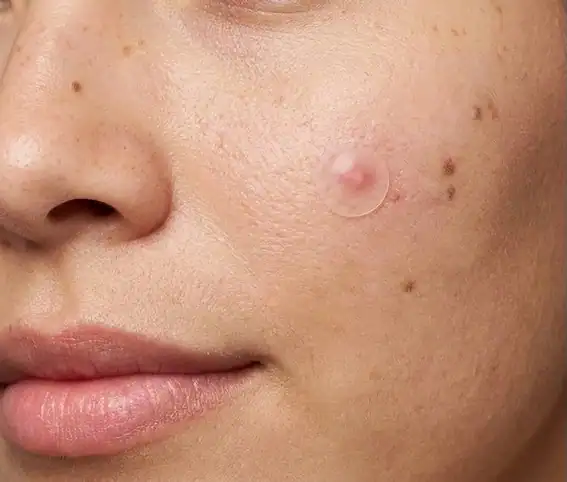
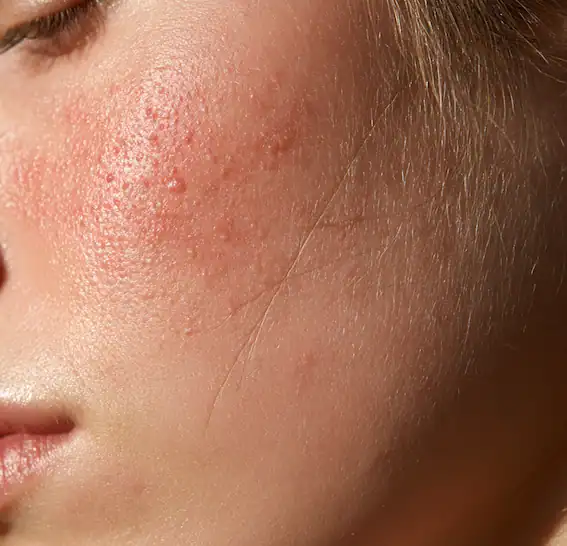
| Bumpy | Raised papules | Clogged or inflamed pores | More targeted prescription support |
What Causes Sudden Rough Skin Texture?
Sudden rough skin texture usually points to a change in your environment or barrier rather than a deep problem. Cold weather, low humidity, harsh cleansers, and a build-up of dead cells all dry the surface and disrupt how evenly it reflects light[2]. Sun exposure is another big driver, since UV damage coarsens the surface over time. The best first move is to know what's changed recently, because the touch and feel of texture genuinely shifts with surface condition[1]. A gentle product with an exfoliating acid, used sparingly, often settles things within a few weeks.
How Long Does Your Skin Type Take to Improve?
Most people see texture improve within four to eight weeks of a consistent routine, with fuller results closer to twelve weeks. Your skin type matters here: oilier types with clogged pores can respond faster to exfoliation, while dry or sensitive types often need a slower start and more emphasis on a barrier cream. Because surface roughness reflects genuine physical change in the skin[2], you're waiting for real turnover, not an overnight fix. Whatever your type, give any new product enough time to work before judging it, and improve consistency rather than chasing quick results that can irritate and slow you down.
How Does Skincare Improve Rough Skin Texture?
Skincare improves texture mainly by removing the build-up of dead cells and encouraging the skin to renew itself more evenly. Exfoliating acids loosen that surface layer, while retinoids speed up cell turnover so newer, smoother skin reaches the surface. Both change the physical character of the surface, which is exactly what determines how rough or smooth skin feels and looks[2].
To improve skin texture sustainably, pair active ingredients with hydration so you don't trade roughness for irritation. A salicylic acid exfoliant suits congested skin, while retinoids address both texture and early fine lines. Because the way we perceive smoothness is a real sensory signal[1], the change you can feel under your fingers is a fair guide to whether your skincare is working.
How Do You Prevent Bumpy, Uneven Skin?
You prevent bumpy, uneven skin mainly by keeping pores clear and the barrier strong before texture builds up. A simple routine with a gentle cleanser, a light exfoliating serum a few nights a week, and a daily moisturiser handles most cases. Different skin types need different products, so a heavier cream suits dry skin while a lighter one suits oily skin. Daily sunscreen is the single most reliable habit for keeping skin smooth, and it's good practice regardless of your skin type. Avoid over-scrubbing, which often makes things worse.
When Should You See a Doctor About Rough Skin?
See a doctor about rough skin when a patch bleeds, grows, changes colour, or simply won't settle with a good over-the-counter routine. Persistent rough texture tied to acne is worth reviewing early, since treating acne before it forms more deeply and scars gives the best long-term result. According to systematic review evidence, established acne scars are far harder to treat once formed and often need procedural options like lasers[3], with a wide range of interventions studied across thousands of patients[4]. A consistent skin care routine still matters, but if blocked pores keep recurring despite using the right products and a suitable serum, a doctor can review whether a prescription serum or formula is appropriate.
How Do You Soothe Stressed-Looking Skin?
You soothe stressed-looking skin by stripping your routine back to gentle basics and letting the barrier recover. Pause strong actives, including any exfoliating acid, and switch to a bland cream or barrier-repair product for a week or two. A simple hydrating serum and a fragrance-free moisturiser calm redness and tightness without clogging pores. Good sleep, sun protection, and avoiding hot water all help. Once the skin feels comfortable again, reintroduce one active at a time so you can spot what your skin tolerates.
What Triggers Changing Skin Texture Over Time?
Skin texture changes over time because cell turnover slows, collagen declines, and years of sun exposure accumulate. In your teens and twenties, smooth or normal skin texture is the default for most people, with oil and the occasional breakout being the main concerns. As you age, that smooth surface gradually gives way to drier, rougher, less even skin.
Bumpy skin texture can appear at any age from clogged pores or conditions like keratosis pilaris, which produces small rough papules[5]. The bigger driver of long-term change is photoageing, where chronic UV exposure brings wrinkles, pigment changes, and loss of that smooth, elastic quality[6]. The physical surface genuinely roughens[2], which is why protecting smooth skin early pays off. For ageing-related texture, our guide to mature skin skincare covers the options in more detail.
What Skincare Routine Suits Teens and Tweens?
A teen and tween skincare routine should be simple: a gentle cleanser, a light moisturiser, and daily sunscreen, with actives added only when there's a clear reason. The most important factor at this age is consistency rather than the number of products. A mild exfoliating acid can help with congestion, but it's worth introducing slowly. Adding retinol to your skincare routine isn't usually needed this young unless acne is involved, and that decision is best made with a doctor. Heavy or harsh products that strip the skin tend to backfire, so keep it minimal and let the skin settle.
Summary
Texture is common and usually improves with gentle exfoliation, hydration, and sun protection over several weeks. Where acne, scarring, or stubborn patches are involved, evidence supports earlier review[3][4]. Prescription Skin's online assessment lets Australian-registered doctors review your skin and, where appropriate, build a personalised prescription formula.
Frequently asked questions
How do you fix rough skin texture?
You fix texture by gently exfoliating away dead cells, keeping the skin hydrated, and protecting it from the sun. An exfoliating acid a few nights a week plus a good moisturiser improves most cases, and a retinoid helps where roughness is tied to ageing or congestion. Give any routine several weeks before judging it.
Why does my skin have a rough texture?
Your skin has a rough texture most often because of a build-up of dead skin cells, dryness, sun damage, or a benign condition like keratosis pilaris. The surface physically roughens, which changes how it feels and reflects light[2].
Can a doctor help with rough skin texture?
Yes, a doctor can help with texture by assessing the cause and, where clinically appropriate, prescribing stronger options like tretinoin or azelaic acid that aren't available over the counter.
What is a patch of skin that feels like sandpaper?
A patch of skin that feels like sandpaper is often keratosis pilaris or sun-related rough texture, both usually harmless but worth checking if it changes. The sandpaper feel reflects a genuinely rougher surface texture[1].
How do I get rid of rough, bumpy skin?
You get rid of rough, bumpy skin by clearing pores with a salicylic acid product, smoothing the surface with a retinoid, and moisturising consistently. Stubborn cases may need a doctor's review.
References
- Henderson J, Mari T, Hopkinson A, Byrne A, Hewitt D, Newton-Fenner A. Neural correlates of texture perception during active touch. Behavioural brain research. 2022. doi:10.1016/j.bbr.2022.113908. PubMed ↩︎
- Hadjesfandiari N, Schubert P, Fallah Toosi S, Chen Z, Culibrk B, Ramirez-Arcos S. Effect of texture of platelet bags on bacterial and platelet adhesion. Transfusion. 2016. doi:10.1111/trf.13756. PubMed ↩︎
- Xue D, Yu Y, Li X, Ma G, Xie J, Xue Y. Efficacy and Safety of Er:Glass versus CO2 Lasers in the Treatment of Atrophic Acne Scars: A Systematic Review and Meta-Analysis. Aesthetic plastic surgery. 2025. doi:10.1007/s00266-025-05502-7. PubMed ↩︎
- Wu B, Gao M, Zhang Y, Bai X. Optimal treatment options for acne scars in patients with historic acne: a systematic review and network meta-analysis. PeerJ. 2025. doi:10.7717/peerj.19938. PubMed ↩︎
- Beyron A. Keratosis pilaris: a systematic review of the literature and strategies for optimal treatment. European journal of dermatology : EJD. 2025. doi:10.1684/ejd.2025.4951. PubMed ↩︎
- Lin L, Chen X, Liu C, Wang Q, Lian W, Xu X. Comparative efficacy of topical interventions for facial photoaging: a network meta-analysis. Scientific reports. 2025. doi:10.1038/s41598-025-12597-0. PubMed ↩︎
Medically Reviewed Content
- Written by: Prescription Skin Editorial Team
- Medically Reviewed by: Dr Mitch Bishop - AHPRA Registered Practitioner (MED0002309948)
- Last Updated: June 2026
This content is for informational purposes only and does not constitute medical advice. Treatment is subject to consultation and approval by our Australian-registered doctors.