- Key takeaways
- Smile Lines Defined: Understanding Nasolabial Folds
- Telling Nasolabial Folds Apart From Other Mouth Wrinkles
- Causes of Smile Lines Around the Nose and Mouth
- Laugh Line Severity Grades From Fine Creases to Deep Folds
- Smile Lines Treatment Options From Topicals to Surgery
- Daily Habits That Slow Nasolabial Fold Formation
- How Prescription Skin's Doctor-Led Review Works
- When to See a Dermatologist About Laugh Lines
- Summary
- Frequently asked questions
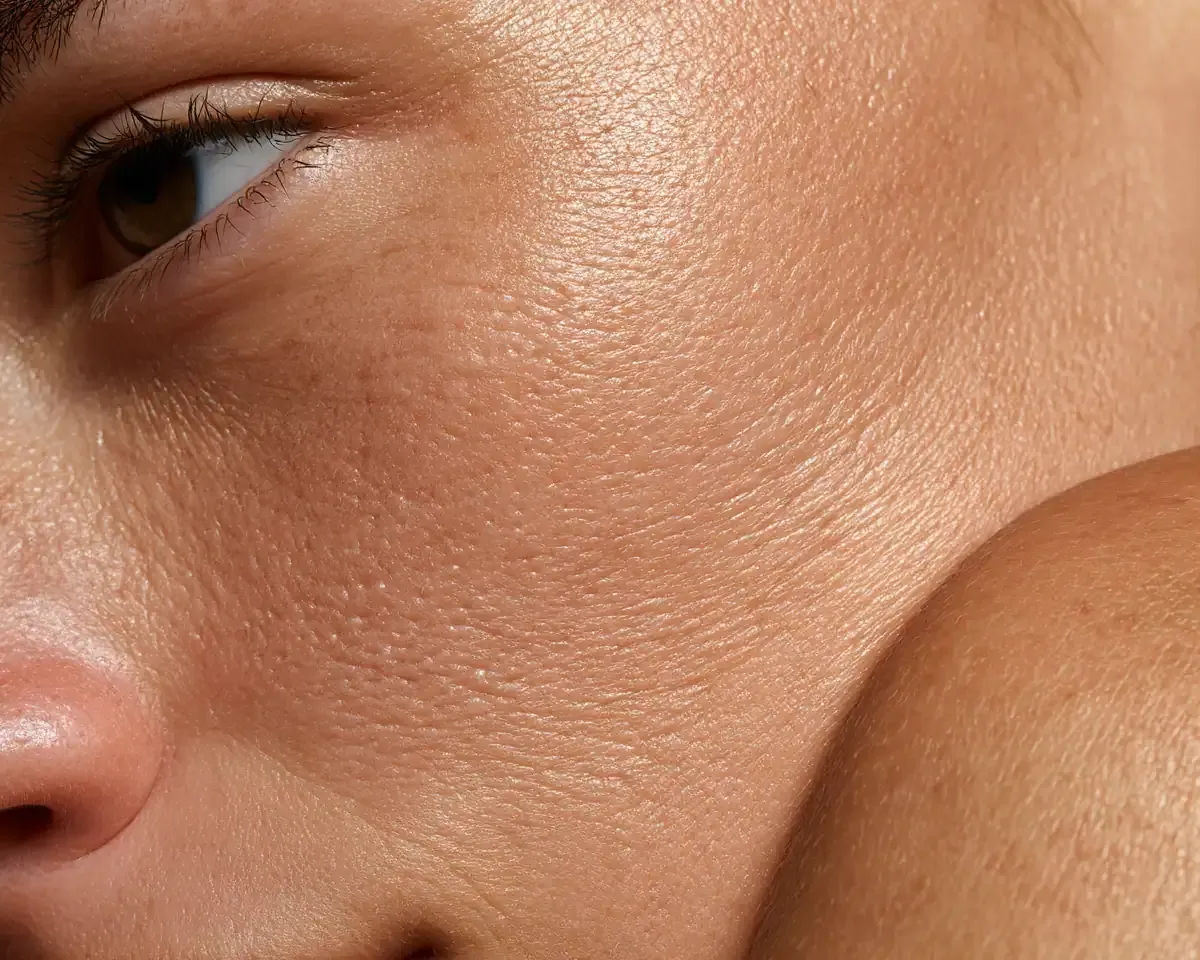
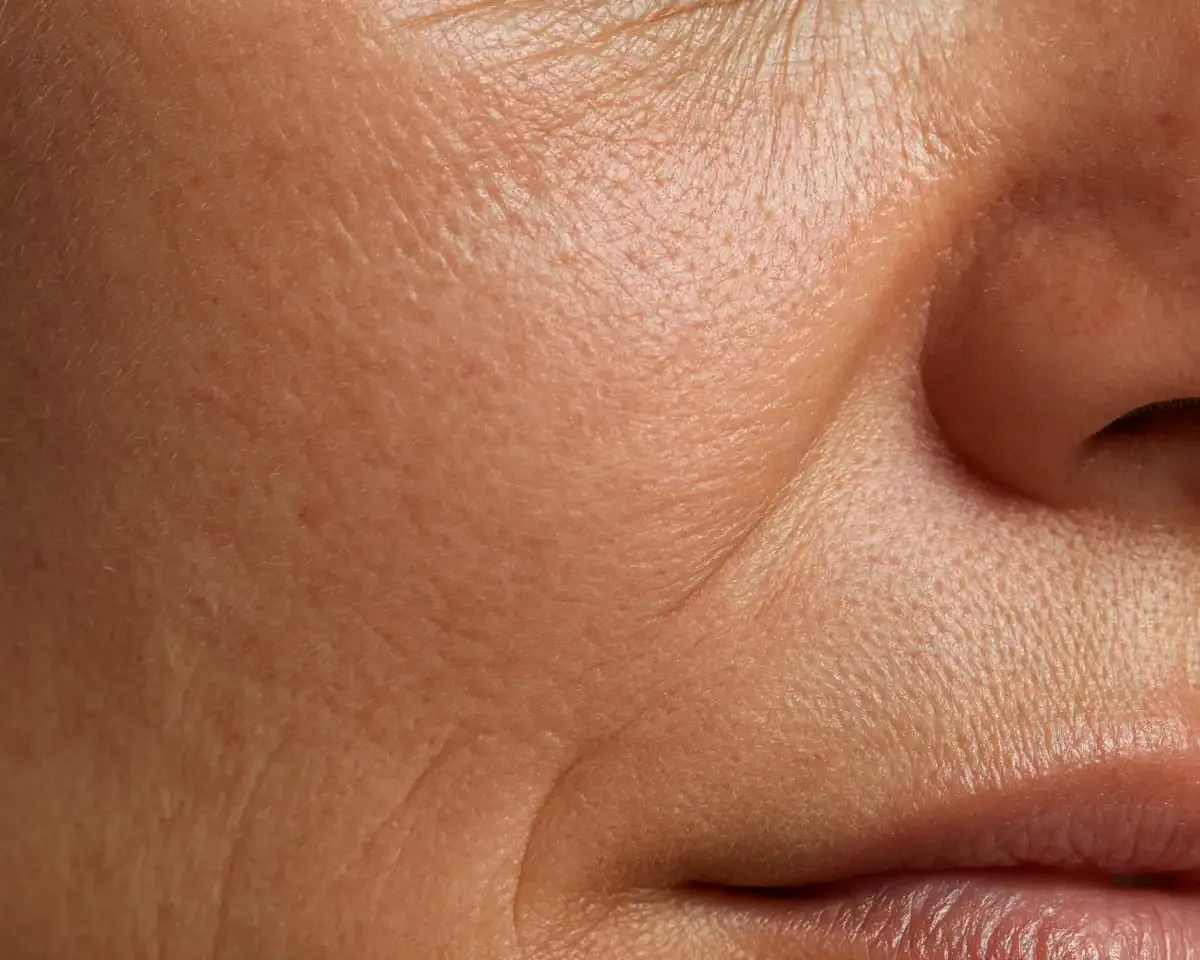
Smile lines are the creases that run from each side of your nose down to the corners of your mouth, and doctors call them nasolabial folds. Everyone has them to some degree, because they mark the natural border between the cheek and the upper lip. What changes over the years is how deep they look when your face is at rest.
Most people start paying attention to their smile lines somewhere in their 30s or 40s, often after spotting them in a photo or under harsh bathroom lighting. That's a fair thing to want to understand. It also helps to know early that a fold and a wrinkle aren't the same problem, and they don't respond to the same treatments.
A wrinkle is mainly a skin-surface issue: collagen thins, sun damage builds up and the skin creases. Folds, on the other hand, come from what sits underneath, including fat pads, ligaments and bone, and how those shift with age. Plenty of guides blur the two, which is why people often spend money on creams expecting them to fill a groove that no cream can reach.
Genetics plays a bigger part than most people expect. Fuller cheeks, a wide smile and a particular bone structure can make the fold obvious even in teenagers, while people with flatter midfaces may barely show a line into their 50s. In Australia, high UV levels for much of the year mean sun-related skin ageing tends to show earlier, and smoking and big weight swings speed things up further.
Here's the honest version from a doctor's point of view. Prescription skincare, particularly retinoids, can genuinely improve skin quality and the fine etched lines that sit on and around the fold. Deeper folds driven by volume loss usually need an in-clinic procedure if you want them visibly softer, and plenty of people decide the fold suits their face and leave it alone.
If your main concern is crepiness and texture across the whole face rather than this one crease, our page on fine lines and skin texture covers that broader picture. Nasolabial folds have their own anatomy and treatment logic, which is why a cream that smooths crow's feet may do very little for them.
Key takeaways
- Smile lines (nasolabial folds) are a normal anatomical crease running from the side of the nose to the corner of the mouth, and nearly everyone has them when they smile.
- They deepen with age mainly because of midface volume loss, loosening support and sun-related collagen damage. Smiling alone isn't the main cause.
- Prescription topicals such as tretinoin can improve the fine lines and skin quality on and around the fold, but they can't refill a deep groove. That usually needs an in-clinic procedure.
- Daily SPF 50+ sunscreen, not smoking and keeping weight changes gradual all slow how quickly folds deepen.
- Sudden one-sided flattening of the fold, or pain and skin colour change after filler, needs urgent medical review.
Smile Lines Defined: Understanding Nasolabial Folds
Nasolabial folds are skin folds that form where the soft tissue of the cheek meets the more firmly anchored skin of the upper lip, so they're a structural feature of every face rather than a flaw. Smile lines become deeper when several layers of the face change at once. Skin loses collagen and elasticity, the midface fat pads lose volume and slide down, supporting ligaments loosen, and the upper jaw bone gradually recedes.
Each layer contributes in its own way, which is why no single treatment reaches all of them. The table below sets out what happens at each level and what kind of treatment can address it.
| Layer | What changes with age | Effect on the fold | Treatments that can reach it |
|---|---|---|---|
| Skin | Collagen and elastin break down, sped up by UV exposure and smoking | Fine etched lines along and beside the fold, rougher texture | Prescription retinoids such as tretinoin, plus daily sunscreen |
| Midface fat pads | Cheek fat loses volume and descends towards the mouth | Heavier tissue sits above the crease and deepens the groove | Injectable fillers, most often hyaluronic acid, placed by a trained injector |
| Retaining ligaments | Ligaments that hold cheek tissue in place stretch and loosen | The fold looks longer and the cheek side may overhang | Structural injectables in the midface, or surgical lifting for marked laxity |
| Bone | The upper jaw and the bone beside the nose slowly recede | Less support beneath the fold, so it sinks inward | Deeper structural injectables; topicals can't reach this layer |
| Muscle | Lip-lifting muscles pull the cheek upward with every smile | The fold is most visible during expression | Usually left alone, as relaxing these muscles can flatten the smile or droop the lip |
Most people have a mix of these changes, and the proportions differ from face to face. That's why two people with similar-looking folds may be steered towards quite different options after an assessment.
Telling Nasolabial Folds Apart From Other Mouth Wrinkles
Nasolabial folds are the paired diagonal creases running from the outer edge of each nostril to just beyond the corners of the mouth. They're present from early childhood and appear whenever you smile, but for most people they start to show at rest somewhere between the late 20s and the 40s, sooner with heavy sun exposure or smoking.
Signs consistent with nasolabial folds include:
- A crease that starts beside the nostril and curves down and outward towards the mouth corner
- Similar depth on both sides of the face
- A fold that deepens when you smile and softens if you gently lift your cheek upward with your fingertips, which suggests volume descent is part of the picture
- Slightly fuller or overhanging skin on the cheek side of the line
- Fine etched lines inside the fold that stay visible even when your face is relaxed
Several other lines around the mouth often get mistaken for smile lines. Marionette lines run downward from the corners of the mouth towards the jaw, so they sit below the lips rather than above them. Perioral lines, sometimes called lipstick or smoker's lines, are fine vertical lines on the upper lip itself.
A midcheek groove is a separate crease that runs from near the inner corner of the eye down across the cheek, and it can deepen alongside a nasolabial fold. Redness and flaking within the fold is a different matter again: that pattern is more consistent with seborrhoeic dermatitis than with ageing, and it's treated quite differently.
Causes of Smile Lines Around the Nose and Mouth
Smile lines deepen mainly because the midface loses volume and support while the skin over it loses collagen. Your smile decides where the crease forms, but it's the gradual changes underneath that decide how deep it gets. According to a 2026 global expert consensus on facial injectables, skin laxity, sagging and loss of volume and contour are the features clinicians aim to correct when restoring structural support to the face [1].
- Sun exposure. UV radiation breaks down collagen and elastin, which is why the skin over the fold looks more creased in people with a lot of outdoor exposure.
- Smoking. Tobacco smoke reduces blood flow to the skin and speeds collagen breakdown, and repeated pursing adds lines around the lips as well.
- Genetics. Inherited bone structure, cheek fullness and skin thickness set your baseline.
- Weight changes. Losing a lot of weight, particularly quickly, can reduce facial fat and make folds look deeper. That includes weight loss on newer weight-loss medications.
- Ageing of the facial skeleton. The bone around the nose and upper jaw recedes slowly with age, leaving less scaffolding for the tissue above it.
Facial expressions alone rarely explain a deep fold. Trying to smile less won't stop the crease forming, and it isn't a sensible goal; protecting your skin and keeping your weight stable does far more.
Laugh Line Severity Grades From Fine Creases to Deep Folds
Nasolabial fold severity is usually graded on a five-point visual scale that runs from no visible fold to an extremely deep one.
- Absent: no visible fold, just a continuous skin line.
- Mild: a shallow but visible fold with a slight indentation.
- Moderate: a moderately deep fold that's clearly visible at rest but smooths out when the skin is stretched.
- Severe: a long, deep fold that's a prominent facial feature and stays partly visible when stretched.
- Extreme: a very deep, long fold, often with overhanging cheek tissue, that remains obvious even when stretched.
It also helps to separate dynamic lines, which appear only when you smile, from static ones that stay when your face is relaxed. Grades one and two are mostly about skin quality, and that's where prescription topicals can make a visible difference. From grade three upward, volume loss is usually the main driver, so topicals improve the skin surface but won't change the depth much.
Smile Lines Treatment Options From Topicals to Surgery
Nasolabial folds are extremely common in adults, and smile lines treatment can soften them but rarely erases them completely. The options fall into four classes, and the right one depends on which layer of the face is driving the fold.
- Prescription topicals. Tretinoin is a prescription-only retinoid in Australia that stimulates new collagen and improves fine lines and texture over three to six months. It smooths the etched lines in and around the fold but can't refill a groove caused by volume loss. Supporting ingredients such as niacinamide and hyaluronic acid help with hydration and tolerability, and if you're unsure how tretinoin compares with over-the-counter options, our guide to Retinol vs Tretinoin: Which Should You Use? explains the difference.
- Collagen-stimulating procedures. According to a 2025 systematic review of 21 studies covering 723 patients, microneedling has been studied as a facial rejuvenation treatment [2]. Research shows platelet-rich plasma has also been assessed for facial rejuvenation across nine clinical trials and two observational studies, so the evidence base is still relatively small [3].
- Injectables. Hyaluronic acid fillers are the most common in-clinic option for nasolabial folds, and studies suggest newer amino acid-enriched hyaluronic acid products have now been evaluated for efficacy and safety in a meta-analysis of 11 studies [4]. Clinical evidence indicates that hybrid hyaluronic acid and calcium hydroxyapatite injectables can be used for structural support and soft tissue repositioning where there's laxity and mild to moderate volume loss [1]. Many injectors now support the midface rather than filling the crease alone, since overfilling the fold itself can look heavy. Hyaluronic acid filler can be dissolved with an enzyme if needed, while calcium hydroxyapatite can't.
- Surgery. A facelift or midface lift addresses significant sagging, though even surgery softens rather than removes the fold.
Prescription Skin works at the topical end of this range. You complete an online skin analysis, an Australian-registered doctor makes a diagnosis, and where it's clinically appropriate they create a custom prescription formula. If your fold is mostly a volume problem, the doctor will say so rather than suggesting a cream can do what it can't.
Daily Habits That Slow Nasolabial Fold Formation
The habits that slow nasolabial fold formation are the ones that protect collagen and keep facial volume steady: daily sun protection, not smoking, stable weight and consistent retinoid use where it suits you. None of them works quickly, so think in years rather than weeks.
- Sunscreen every day. A broad-spectrum SPF 50+ applied each morning, and reapplied when you're outdoors, matters more under Australian UV conditions than almost anything else you can buy.
- Stop smoking. Quitting at any age slows further collagen damage.
- Keep weight changes gradual. If you're losing a lot of weight, a slower pace may limit how much your facial volume changes.
- Stay with your retinoid. Collagen gains from tretinoin take three to six months to show and fade if you stop, so it's a long-term habit rather than a short course.
Facial exercises are often promoted as a natural way to lift the cheeks, but the evidence comes from small studies and they can't reverse bone or ligament changes. Filler results are temporary too, typically lasting from several months to over a year depending on the product, so plan for maintenance if you go down that route.
How Prescription Skin's Doctor-Led Review Works
Prescription Skin's doctor-led review is an online assessment in which an Australian-registered doctor looks at your photos and health history and decides whether a prescription formula is appropriate. Approval isn't automatic, and some people are better served by an in-person procedure.
- Assessment. You complete a free skin analysis with clear photos and details about your skin, medications, pregnancy plans and any history of rosacea or eczema.
- Doctor review. A doctor works out whether your concern is mainly skin quality or volume loss and may ask follow-up questions.
- Formula. If treatment is suitable, the doctor creates a personalised prescription formula. For fine lines around the fold, that might combine tretinoin with niacinamide, panthenol and hyaluronic acid. Because tretinoin isn't used in pregnancy or breastfeeding, a non-retinoid option built on niacinamide and hyaluronic acid is available instead.
- Follow-up. You start with a thin layer in the evening once or twice a week and build up as your skin tolerates it. Early changes typically show within 4 to 8 weeks, with fuller results at 12 to 24 weeks.
When to See a Dermatologist About Laugh Lines
See a doctor promptly if your smile lines change suddenly, appear on only one side, or come with new symptoms, because those aren't signs of normal ageing. Most folds deepen slowly and symmetrically, so anything that breaks that pattern deserves a proper look.
- Sudden flattening of the fold on one side, especially with a drooping mouth corner, trouble closing an eye, slurred speech or arm weakness. Call 000, as this can signal a stroke or facial nerve palsy.
- Pale, mottled or dusky skin, or severe pain, during or after filler. Contact your injector or go to an emergency department straight away, because it may mean a blocked blood vessel.
- Firm lumps, swelling or redness that persists weeks or months after an injectable.
- A sore, scaly patch or shiny bump in or near the fold that doesn't heal within a few weeks. The skin beside the nose is a common site for basal cell carcinoma.
- Ongoing redness, flaking or itch in the creases, which may be seborrhoeic dermatitis rather than ageing.
Your GP can check most of these first. In Australia you'll need a GP referral to claim a Medicare rebate for a specialist visit, and our guide on whether you need a referral for a dermatologist explains how that works.
Summary
Smile lines are a normal part of facial anatomy that deepen as the skin, fat, ligaments and bone beneath them change, so the right approach depends on which of those layers is driving what you see in the mirror. Prescription topicals such as tretinoin can improve the texture and fine lines on and around the fold, while deeper, volume-related folds usually call for in-clinic options such as injectables or platelet-rich plasma, which systematic reviews have examined for facial rejuvenation [4][3]. At Prescription Skin, the prescription skincare model means an Australian-registered doctor assesses your skin first and only recommends a formula when it's clinically appropriate, so you get a straight answer on whether a topical can meaningfully help your smile lines or whether another option suits you better.
You may also find these related guides helpful: Skin Tightening: Which Treatments Actually Firm Skin, What Glycolic Acid and Vitamin C Each Do for Your Skin, and First 8 Weeks on Prescription Skincare: What to Expect.
Frequently asked questions
How can I get rid of my smile lines?
You can usually soften smile lines rather than erase them, and the right method depends on whether surface lines or volume loss is doing most of the work. Fine etched lines respond to prescription retinoids such as tretinoin over three to six months, used with daily sunscreen. Deeper folds caused by midface volume loss generally need injectables, while marked sagging may need surgical lifting. A doctor's assessment can tell you which group you're in before you spend money on the wrong option.
Why do I already have smile lines at 17?
Smile lines at 17 are usually normal anatomy rather than early ageing. The nasolabial fold is the natural border between the cheek and upper lip, and fuller cheeks, a wide smile and inherited bone structure can make it clearly visible in teenagers. Others have flatter midfaces and barely show a line for decades. At this age, daily sunscreen and not smoking are the sensible steps, and treatments aimed at age-related folds generally aren't appropriate.
Who is more likely to get nasolabial folds?
Deeper nasolabial folds are more likely in people with a family tendency, high lifetime sun exposure, a smoking history or significant weight loss. Facial shape matters too, since fuller cheeks and a prominent smile make the fold visible earlier. Fair skin tends to show sun-related ageing sooner than darker skin, which counts for a lot under Australian UV. Age is the common thread, with most people noticing folds at rest from their 30s or 40s.
What is the best treatment for nasolabial folds?
The best treatment for nasolabial folds is the one matched to the cause: retinoids for skin-quality lines, injectables for volume loss and surgery for significant sagging. Many people do well combining a prescription topical such as tretinoin with an in-clinic procedure. Injectors increasingly support the midface rather than filling the crease alone, because overfilling the fold can look heavy. There's no single option that suits everyone, which is why assessment comes before treatment.
Are smile line treatments safe?
Smile line treatments are generally safe when a qualified practitioner chooses and performs them, but none is free of side effects. Tretinoin commonly causes dryness, peeling and irritation in the first few weeks, and it isn't used in pregnancy or breastfeeding (see our guide to pregnancy-safe skincare). Fillers can cause bruising, swelling and lumps and, rarely, a blocked blood vessel. That's why the injector's training and knowledge of facial anatomy matter as much as the product.
References
- Cavallini M, Braz A, Greiner-Krüger D, Lipko-Godlewska S, Patel T, Safa M. Global Recommendations for Facial Rejuvenation Using a Hyaluronic Acid and Calcium Hydroxyapatite Hybrid Injectable. Journal of cosmetic dermatology. 2026. doi:10.1111/jocd.70608. PubMed ↩︎
- Foppiani JA, Fanning JE, Beltran K, Raska O, Hernandez Alvarez A, Taritsa I. Microneedling for Facial Rejuvenation: A Systematic Review. Aesthetic plastic surgery. 2025. doi:10.1007/s00266-025-04972-z. PubMed ↩︎
- Rodríguez-Castro MJ, Cortés-Rodríguez AE. Efficacy of platelet-rich plasma in facial rejuvenation: A systematic review. Enfermeria clinica. 2025. doi:10.1016/j.enfcle.2025.502161. PubMed ↩︎
- Mosteirin M, Ardila AG, Calomarde RG, Mariscal G. Efficacy and Safety of Amino Acid-Enriched Hyaluronic Acid in Facial Rejuvenation: A Systematic Review and Meta-Analysis. Journal of cosmetic dermatology. 2026. doi:10.1111/jocd.70741. PubMed ↩︎
Medically Reviewed Content
- Written by: Prescription Skin Editorial Team
- Medically Reviewed by: Dr Mitch Bishop - AHPRA Registered Practitioner (MED0002309948)
- Last Updated: November 2026
This content is for informational purposes only and does not constitute medical advice. Treatment is subject to consultation and approval by our Australian-registered doctors.