- Key takeaways
- What a Skin Rash Actually Is
- How Doctors Diagnose Contact Dermatitis
- What Causes a Rash to Develop
- The Types of Eczema and How They Look
- Treatment Options for Calming an Irritated Skin Reaction
- Preventing Skin Flare-Ups From Coming Back
- Getting a Prescription for Rash Treatment Online
- Warning Signs That Need Medical Attention
- Summary
- Frequently asked questions
A rash is any visible change in the skin's colour, texture, or surface, and it's a symptom rather than a diagnosis in its own right. Skin has a fairly limited vocabulary, so an allergic reaction, a viral infection, a drug reaction and a chronic inflammatory condition can all produce red, itchy patches that look much the same from a metre away.
What separates them is the story around the rash: how fast it appeared, where it started, what touched the skin first, what medicines were started in the past eight weeks, and whether anything else in the body is unwell. Doctors lean heavily on that history. According to a systematic review of lamotrigine rechallenge, even a well-known drug eruption can be difficult to characterise after the fact, which is why the timeline gets recorded carefully at the first visit [1].
Some eruptions are also predictable. Research on targeted cancer therapy shows acneiform lesions occur so reliably with certain drugs that preventive oral tetracyclines have been studied as routine care [2]. Knowing which bucket you're in changes what treatment actually helps, and it's the same reasoning Prescription Skin doctors apply to any long-running skin complaint.
You may also find these related guides helpful: hydroquinone 2% vs 4% in Australia and prescription skincare during pregnancy.
Key takeaways
- A rash is any change in the skin's colour, texture or surface, and the pattern plus the timeline usually matters more for diagnosis than the appearance alone.
- Contact dermatitis, eczema, drug reactions, infections and psoriasis all look similar at a glance, so a doctor works through exposure history before treating.
- Medicines are a genuinely common and under-recognised cause; cutaneous reactions to mood stabilisers and to cancer therapies are well documented in systematic reviews.
- Most mild eruptions settle with barrier repair and a short course of a topical steroid, but blistering, fever, facial swelling or skin changes covering most of the body need same-day medical care.
- In Australia, corticosteroids above hydrocortisone 1%, most antifungals for widespread disease and all oral immune-modulating options are prescription-only, so a doctor's assessment is the access point.
What a Skin Rash Actually Is
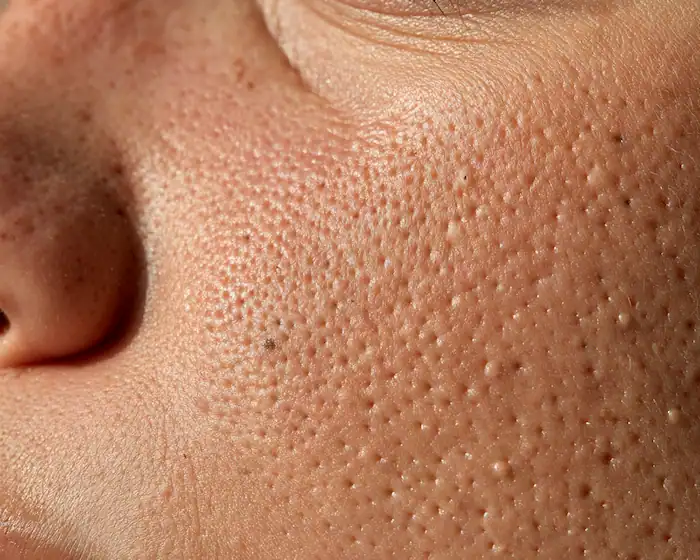
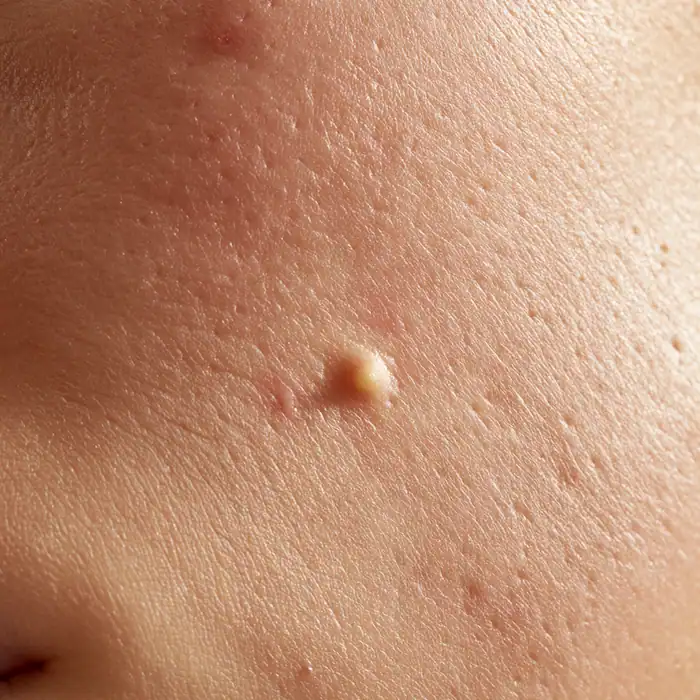
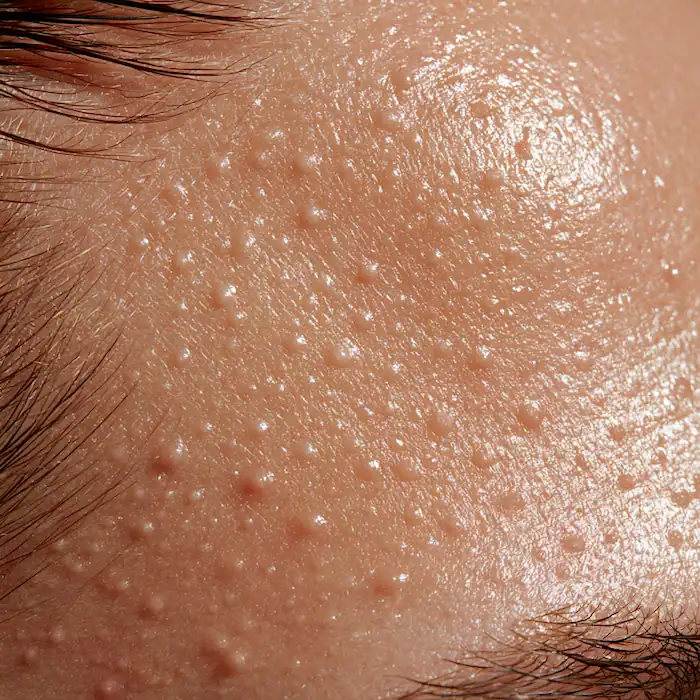
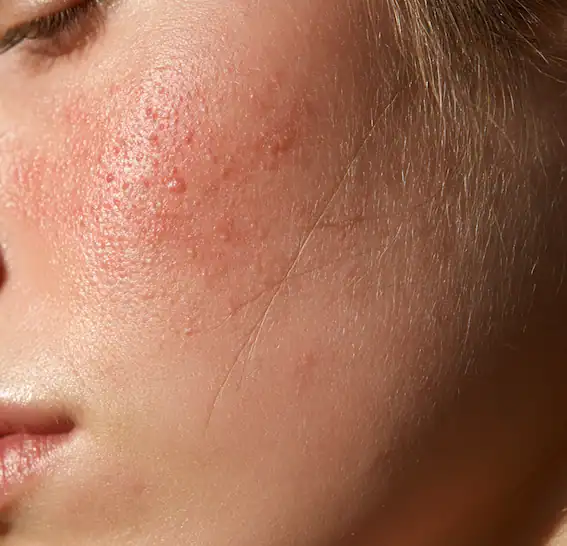
A skin rash is an area of skin that has changed in colour, texture, or surface compared with the skin around it, usually because of inflammation in the upper layers. Symptoms cluster fairly predictably: itching, burning or stinging, redness or a darker patch on deeper skin tones, scaling, small raised lesions, and sometimes fluid, crust or pus if the surface has broken.
You can prevent many episodes by identifying the trigger and removing it, keeping the barrier intact with a bland moisturiser and a soap substitute, washing skin promptly after plant or chemical contact, and treating early rather than waiting for the surface to break. Prevention also means anticipating known drug effects, since clinical evidence indicates some acneiform eruptions can be blunted with treatment started before the skin reacts [2].
The practical question most people have is whether they need a prescription or whether the pharmacy shelf will do.
| Feature | Over-the-counter | Prescription |
|---|---|---|
| Typical actives | Hydrocortisone 1%, emollients, niacinamide, colloidal oatmeal | Stronger corticosteroids, azelaic acid, topical antibiotics, calcineurin inhibitors |
| Suits | Mild, small, clearly allergic or irritant reactions | Persistent, widespread or recurrent inflammation a doctor has assessed |
| Assessment | Self-selected at the pharmacy | A doctor reviews history and images before anything is prescribed |
| Main limitation | Often too weak for established dermatitis, and no diagnosis attached | Not appropriate for every patient, and side effects need monitoring [3] |
Note that skin changes caused by a medicine won't respond to either path until the drug itself is reviewed [1]. Cosmetic goals such as finding an anti-ageing cream sit in a separate conversation and shouldn't be layered onto inflamed skin.
How Doctors Diagnose Contact Dermatitis
Doctors diagnose contact dermatitis mainly by matching the shape and location of the eruption to something the skin touched, then confirming with patch testing when the culprit isn't obvious. Contact dermatitis tends to respect borders: a band under a watch strap, a rectangle where a dressing sat, streaks where a plant brushed past.
Findings consistent with contact dermatitis include:
- Redness or dusky discolouration with a geometric or linear edge
- Intense itch that makes you scratch, followed by thickened, leathery skin
- Tiny fluid-filled vesicles on the hands, eyelids, neck or forearms
- Dryness and fissuring on fingertips in wet-work occupations
The look-alikes matter. Irritant dermatitis, atopic dermatitis, tinea and a drug-induced dermatitis can all present the same way, and systematic review evidence shows cutaneous drug reactions are frequently misfiled as something else until the medication history is revisited [1]. Even an acneiform eruption from cancer therapy is regularly mistaken for ordinary acne before the drug link is made [2]. What treatment you need will depend on which of these it turns out to be.
What Causes a Rash to Develop
A rash develops when immune cells in the skin release inflammatory signals, widening local blood vessels and pulling fluid into the tissue, which produces the redness, swelling and itch you can see and feel. What sets that cascade off varies enormously.
Common causes of a skin rash include direct irritants such as detergents and solvents, allergic sensitisation to a substance like nickel, fragrance or plant resins, infections (bacterial, viral, fungal), autoimmune conditions such as psoriasis, and medicines. According to a systematic review of oral desensitisation for poison ivy urushiol, allergic contact reactions are driven by T-cell memory, which is why a second contact is usually faster and angrier than the first [4].
Drug-related causes deserve more attention than they usually get. Studies suggest dermatologic side effects are common with mood stabilisers [3], and reintroducing a drug after a cutaneous reaction carries a real risk of recurrence that needs to be weighed by the doctor who manages that medicine [1].
Two practical points: scratch damage worsens almost every skin eruption by breaking the barrier and inviting bacteria, and any lesion that blisters has crossed from mild to significant. Active anti-wrinkle products, including retinoids and acids, should be paused on inflamed skin rather than pushed through.
The Types of Eczema and How They Look
Eczema is an umbrella term for several distinct patterns of inflamed, itchy, barrier-damaged skin, and telling them apart largely comes down to where they sit and what sets them off. Atopic eczema favours the elbow and knee creases, neck and hands, often alongside asthma or hay fever. Contact eczema follows what the skin touched. Dyshidrotic eczema produces deep, tapioca-like blisters on the palms and sides of the fingers. Discoid eczema forms coin-shaped plaques, usually on the lower legs, and seborrhoeic dermatitis sits on the scalp, brows and nasal folds with greasy yellow scale.
Every one of these rashes shares the same underlying pattern: a leaky barrier plus an immune system primed to overreact. The trigger differs, so heat, sweat, soap, stress or a new medicine can each tip a stable patch into a flare, and a new medicine is worth flagging early rather than treating around [1]. Drug-induced eruptions such as acneiform lesions are not eczema at all, despite looking inflamed and angry [2].
Treatment Options for Calming an Irritated Skin Reaction
Treatment falls into four classes: remove the exposure, repair the barrier, suppress the inflammation and treat any infection. Whatever you were exposed to goes first, whether that's a nickel buckle, a solvent at work, or poison ivy sap. Barrier repair means thick emollients and a soap substitute, which is unglamorous but does most of the work in mild cases.
Anti-inflammatory treatment is where prescriptions matter. Topical corticosteroids above hydrocortisone 1%, calcineurin inhibitors and oral options for widespread disease all require a doctor in Australia, as does anything for psoriasis beyond basic keratolytics. Systematic review evidence for oral desensitisation in urushiol contact allergy remains limited, so avoidance is still the mainstay [4].
Through a free skin assessment, you send photos and history, a doctor reviews them, and where it's clinically appropriate they can create a custom prescription formula. Anything with fever, a spreading bump-covered area, or a blister needs in-person care instead.
Preventing Skin Flare-Ups From Coming Back
Preventing recurrence means keeping the barrier strong every day and staying away from the specific trigger, not just treating each flare as it arrives. How long that takes will depend on the cause: an irritant dermatitis pattern from hand-washing can settle in two to three weeks, while atopic disease is managed over years rather than cured.
Practical maintenance looks like a fragrance-free moisturiser twice daily, gloves for wet or chemical work, cotton over wool, and washing skin promptly after any plant contact, since poison ivy resin stays active on clothing and tools [4]. Patients with psoriasis or a known allergy benefit from a written plan so treatment starts within a day or two rather than a fortnight.
Any recurrence with fever, or one that spreads while you're treating it, will require a fresh review rather than repeating the last prescription. Long-term maintenance is also where the ingredient choice shifts, and hyaluronic acid or ceramide-based moisturisers do more here than any active.
Getting a Prescription for Rash Treatment Online
Online care suits stable, localised, chronic skin problems, and it isn't the right pathway when the eruption covers most or all of your body. Widespread reactions, mucosal involvement, fever, or skin pain need face-to-face assessment the same day, because the conditions behind them can move quickly [1]. The same applies to unstable psoriasis, which needs hands-on review before any systemic decision.
For everything else, the classes of treatment a doctor considers are anti-inflammatory agents, barrier repair, antimicrobials where infection is present, and pigment-directed actives once the inflammatory phase has settled. That last group matters afterwards, because post-inflammatory marks are common on deeper skin tones. Options such as hydroquinone cream, azelaic acid and niacinamide are used for hyperpigmentation, and in Australia hydroquinone above 2% is prescription-only.
With Prescription Skin, you submit photos and history online, an Australian-registered doctor reviews them, and a compounded formula is prepared only when it's clinically appropriate. Formal patch testing for a suspected allergy and skin biopsy need an in-person clinic, and a doctor will say so rather than treating around the gap. Persistent irritation on treatment should always be reported, since even predictable drug reactions are managed by adjusting therapy rather than pushing through [2][4].
Warning Signs That Need Medical Attention
Skin changes need urgent medical attention when they come with fever, blistering, skin pain, facial or throat swelling, or a purple patch that doesn't fade under pressure. Those features suggest something systemic rather than a local skin problem, and delay changes outcomes.
Findings consistent with a serious reaction include:
- Feeling generally unwell or achy alongside the skin changes
- Blisters or skin peeling, particularly on the lips, eyes or genitals
- Rapid spread over hours, or involvement of most of the body
- Yellow crust, warmth, swelling and increasing pain, which suggests infection
- New rashes within eight weeks of starting a medicine [1]
Severe drug eruptions are the ones most often mistaken early on for a viral illness, an acute allergy, guttate psoriasis or the acneiform reactions seen with targeted cancer therapy [2]. Severe plant contact reactions can also blister widely enough to need oral treatment rather than avoidance alone [4]. Whether you need a GP, a hospital or a dermatologist will depend on how quickly things are changing. For context, cosmetic queries such as choosing an anti-wrinkle cream can wait; an unwell patient with spreading skin disease cannot.
Summary
Most skin eruptions are inflammation with a cause behind them, and identifying that cause (contact, infection, medicine or a chronic condition) decides the treatment far more than how the surface looks [1]. Prescription Skin works through an online assessment reviewed by Australian-registered doctors, who can prepare a prescription formula where it suits your skin, and who'll direct you to in-person care when that's the safer option [4].
Frequently asked questions
How do I identify my rash?
Identify skin changes by their pattern, timing and location rather than colour alone. Note when they started, what your skin touched, any new medicines in the past two months, and whether the area itches, burns or hurts. Photograph it daily in the same light, since the rate of change tells a doctor a great deal.
What is a rash caused by?
Skin eruptions are caused by inflammation triggered by irritants, allergens, infections, autoimmune conditions or medicines. Drug reactions are common and easily missed; systematic review evidence links mood stabilisers with a measurable rate of skin side effects, and certain cancer therapies reliably produce acneiform lesions [3][2]. Stress can also set off flares of existing eczema or psoriasis.
Can a doctor help with a rash?
Yes, a doctor can help, and often that's the fastest route to the right treatment. Assessment sorts an allergic reaction from an infection or a drug eruption, which matters because the same cream can help one and worsen another. A rash that won't go away after two to four weeks of sensible care usually has an ongoing cause behind it: a continuing contact exposure, an unrecognised medicine, tinea being treated as eczema, or steroid use that's too weak or too brief [1].
What does a concerning rash look like?
A concerning eruption blisters, peels, hurts, involves the mouth or eyes, spreads over hours, or comes with fever. An infected area typically shows yellow crust, pus, warmth, swelling and increasing tenderness, sometimes with red streaking. Any of these warrants same-day medical care rather than another week of watchful waiting.
What is rash behaviour?
Rash behaviour, in a clinical sense, describes how skin changes act over time: whether they spread, migrate, come and go within hours, blister, or stay fixed in one place. Hives typically move within a day, while a fixed drug eruption returns to the same spot on repeat dosing [1].
What are the four types of rashes?
Skin eruptions are usually grouped into four broad types: eczematous (contact dermatitis and atopic eczema), infectious (bacterial, viral or fungal), allergic or urticarial (hives, drug reactions), and chronic autoimmune (psoriasis, lupus). Placing skin changes in one group narrows the treatment options considerably. Related reading includes our guides on the first 8 weeks on prescription skincare and retinoids.
References
- Riva HR, Zheng S, Sohail N, Newman SA, Ortiz PE. Rechallenge of Lamotrigine After Rash: A Systematic Review. The Journal of clinical psychiatry. 2025. doi:10.4088/JCP.25r15987. PubMed ↩︎
- Sousa R, Vieira Granja B, Magina S. Role of Oral Tetracyclines in Preventing Acneiform Rash in Patients With Non-small Cell Lung Cancer Treated With Epidermal Growth Factor Receptor Tyrosine Kinase Inhibitors: A Systematic Review. Actas Dermo-Sifiliográficas. 2026;117(5):104583. doi:10.1016/j.ad.2025.104583. PubMed ↩︎
- Pampaloni F, Ercis M, Davis DMR, et al. Prevalence of dermatologic side effects of mood stabilizers in bipolar disorder: A systematic review and meta-analysis. Journal of Psychiatric Research. 2026;193:84-103. doi:10.1016/j.jpsychires.2025.11.016. PubMed ↩︎
- Barton NE, Meisenheimer J, Hitchcock D, Juels P, Ueltschi O, Woolhsier E. Oral desensitization therapy for poison ivy urushiol contact allergy: A systematic review. Dermatology online journal. 2026. doi:10.25251/pcyj0173. PubMed ↩︎
Medically Reviewed Content
- Written by: Prescription Skin Editorial Team
- Medically Reviewed by: Dr Mitch Bishop - AHPRA Registered Practitioner (MED0002309948)
- Last Updated: September 2026
This content is for informational purposes only and does not constitute medical advice. Treatment is subject to consultation and approval by our Australian-registered doctors.