- Key takeaways
- How the Skin Barrier Works and Why It Matters
- How They Compare
- Signs and Symptoms of a Compromised Moisture Barrier
- What Causes a Weakened Skin Barrier
- The Different Forms of Skin Barrier Damage
- How a Compromised Skin Barrier Heals
- Protective Habits That Prevent Barrier Damage
- When to See a Doctor About Barrier Damage
- Summary
- Frequently asked questions
A damaged skin barrier means the outermost layer of your skin has lost some of its ability to hold moisture in and keep irritants out. That outer layer sits on top of everything else your skin does, and when it's working well you barely notice it. According to research on barrier function and repair, the anatomy of these layers is now well defined, and the barrier itself follows a described functional model [1].
Your skin is the largest organ and the first line of defence against the outside world, so a damaged skin barrier tends to make itself known quickly [2]. You might feel tightness after washing, notice stinging when products go on, or see patches of dry, flaky, red skin. A compromised barrier is also a hallmark of conditions like atopic dermatitis, so the same signs turn up across several skin problems [3]. The good news is that in most cases it settles once you understand what's going on.
You may also find these related guides helpful: prescription skincare during pregnancy, hyaluronic acid, ascorbic acid, and fine lines and wrinkles.
Key takeaways
- A damaged skin barrier is the outer layer of your skin losing its ability to hold water in and keep irritants out, which usually shows up as dryness, tightness, stinging and redness.
- Common triggers include over-cleansing, over-exfoliating, harsh actives used too often, hot water and a weakened environment, all of which strip the lipids that hold the barrier together.
- Most mild cases settle within two to four weeks once you simplify your routine, stop the aggravating product and support the skin with a plain moisturiser and daily sunscreen.
- Persistent redness, weeping, cracking or a rash that keeps coming back is worth a doctor's review, since conditions like eczema and rosacea can look similar.
- If prescription actives triggered the problem, a doctor can adjust the strength or frequency rather than you stopping treatment altogether.
How the Skin Barrier Works and Why It Matters
The skin barrier is the outermost layer of your skin, and its main job is to keep water in and irritants out. Most of that barrier work happens in the stratum corneum, the top layer, where cells sit in a matrix of lipids like a brick wall held together by mortar [4]. Ceramides are a large part of that mortar, and their correct balance is central to how the barrier holds up [5]. When that structure is intact your skin holds moisture and feels comfortable; when the moisture barrier is disrupted, water escapes and the surface dries out.
So what actually helps a damaged skin barrier, and how do you fix a damaged skin barrier? The short answer is to strip your routine back and let the moisture barrier rebuild. A gentle cleanser and a simple moisturiser do more for damaged skin than any single hero product.
How They Compare
Here's how the two states compare:
| Feature | Healthy barrier | Damaged skin barrier |
|---|---|---|
| Hydration | Holds water well, feels supple | Loses water, feels tight and dry |
| Lipids and ceramides | Balanced, intact matrix | Depleted, patchy matrix |
| Reaction to actives | Tolerates a normal retinoids routine | Stings, especially with salicylic acid |
| Best skincare routine step | Maintain and protect | Simplify and repair |
Signs and Symptoms of a Compromised Moisture Barrier
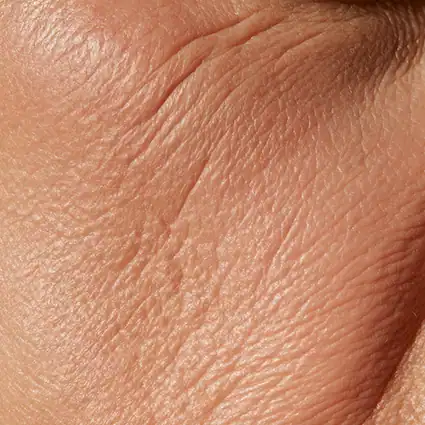
The clearest sign of a compromised moisture barrier is skin that feels tight, dry or stingy where it used to feel comfortable. Because the barrier normally locks water into each skin cell layer, losing that function shows up on the surface fairly fast [1]. Signs consistent with a damaged skin barrier include:
- Tightness or stinging after washing or applying a moisturiser
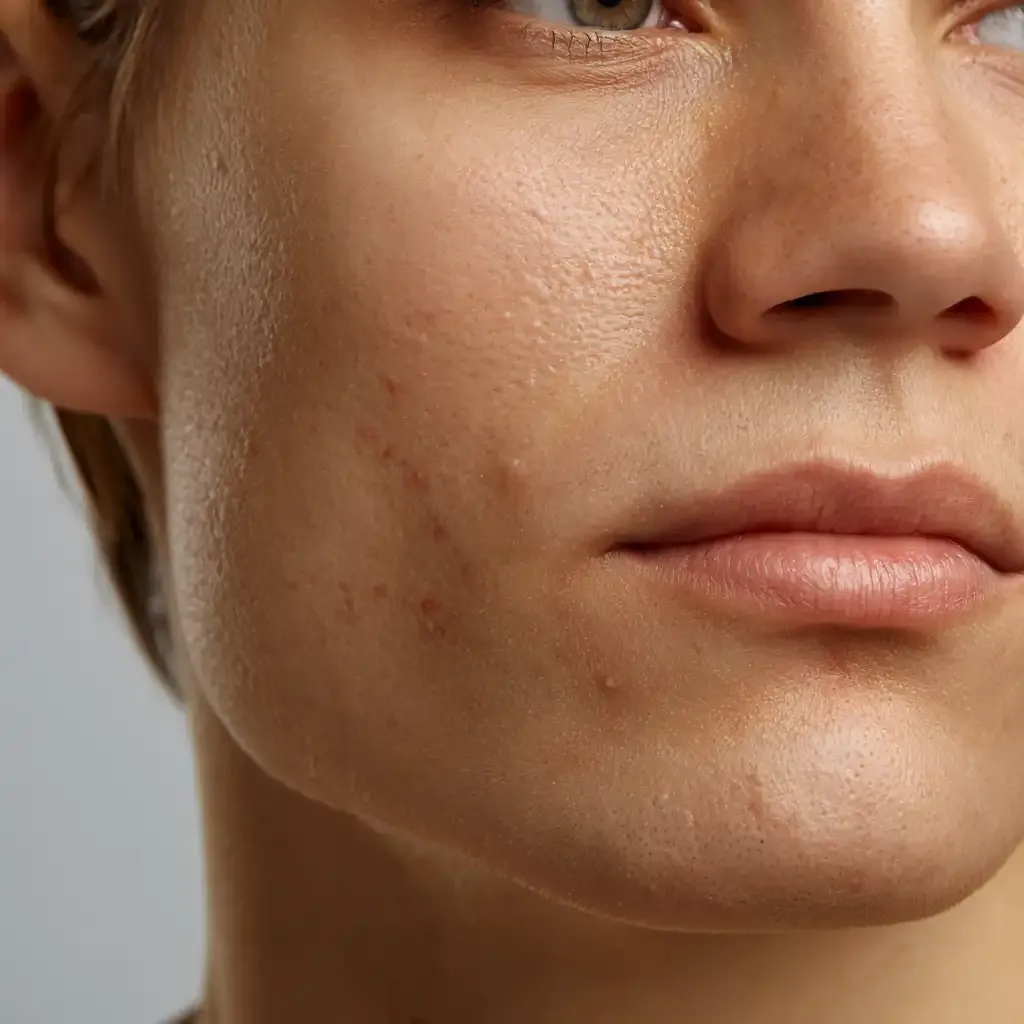
- Flaking, roughness or a dull look, often on the cheeks, around the nose and on the chin
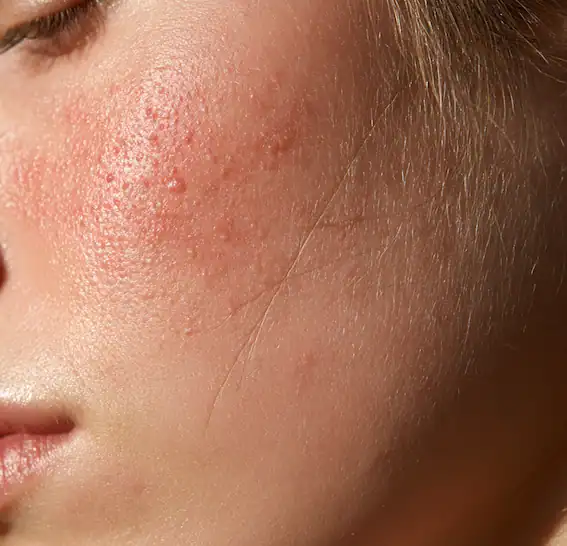
- Redness or blotchiness that comes and goes
- New sensitivity to products your skin natural tolerance once handled fine
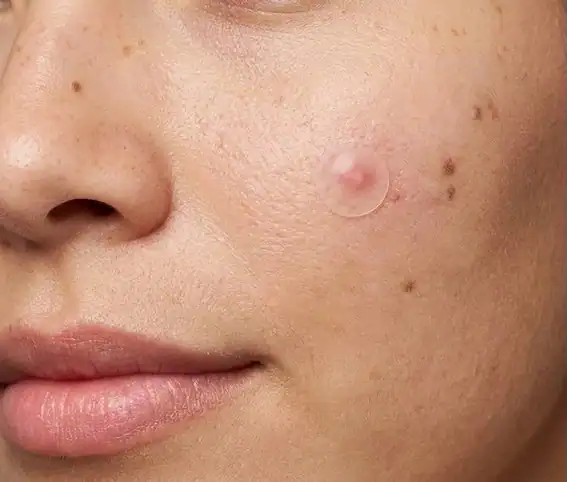
- Small rough bumps or patches that don't settle
These features overlap with eczema and rosacea, so a stinging red patch isn't proof of one single cause. A compromised barrier is a known feature of atopic dermatitis, which is why the two are so easily confused [3]. Healthy skin, by contrast, tolerates a basic routine without complaint.
What Causes a Weakened Skin Barrier
A weakened skin barrier is usually caused by something stripping the lipids out of the stratum corneum faster than your skin can replace them. Barrier dysfunction can come from outside factors or from within, and either can lead to dryness and disorders like xerosis [6]. In plain terms, when the mortar holding your surface cells together thins out, water leaves and the moisture barrier stops doing its job.
Common triggers include:
- Washing too often or with hot water, which strips lipids like ceramides from the corneum
- Using actives too hard, for example daily retinoids or acids, before your skin has adjusted
- The urge to exfoliate frequently, which wears the surface down
- Low humidity, wind and sun exposure that pull hydration from the skin
According to work on skin lipids, the barrier depends on an exceptional lipid organisation, so anything that disrupts those lipids weakens the moisture barrier and its overall hydration [4]. If your skin flared after starting a strong active, that's often the culprit and a doctor can adjust it.
The Different Forms of Skin Barrier Damage
Skin barrier damage tends to fall into a few recognisable patterns rather than one single problem. The most common is simple over-treatment, where a good moisture barrier has been thinned by too much cleansing or too many actives, leaving skin dry and sensitive but otherwise well. A second form is inflammatory, where an underlying condition keeps the barrier compromised; a compromised permeability barrier is a hallmark of atopic dermatitis, for example [3]. A third is environmental, driven by sun, wind and low humidity that leave skin dehydrated.
Telling them apart helps you place your own presentation. Over-treatment usually improves fast once you pause the trigger and keep skin hydrated. Inflammatory barrier problems recur and often need a doctor. Ceramide depletion sits behind several of these, since these lipids are central to a healthy skin barrier [5]. Daily sunscreen and a pared-back skincare routine help all three.
How a Compromised Skin Barrier Heals
A compromised skin barrier heals by rebuilding the lipid layer that holds the top of your skin together, and your job is mostly to stop interfering with it. According to research on barrier repair, the skin follows a described process of restoring its structure once the disruption stops [1]. That means pausing the actives that caused the flare, keeping the skin moist, and giving the moisture barrier time.
Support it with a plain moisturiser, ideally one containing ceramides, since replacing those lipids helps the barrier reform [5]. Keep any remaining skincare simple, avoid known allergen and fragrance exposure, and wear sunscreen every morning, because a healing barrier is more sensitive skin than usual and burns easily. Your skin is your first defence against environmental factors, so protecting it while it recovers matters [2]. Reintroduce any skincare product slowly, one at a time.
Protective Habits That Prevent Barrier Damage
The best way to prevent barrier damage is to keep your routine simple and stop before your skin complains. Use a gentle cleanser once or twice a day, a protective moisturiser to hold moisture in, and daily broad-spectrum sunscreen. Because transepidermal water loss is the standard measure of barrier function, keeping that water loss low is really what a good routine achieves [7].
A few habits that help you avoid an irritant flare and repair your skin over time:
- Introduce one active at a time and build up frequency slowly
- Skip anything that leaves your skin stinging for more than a few minutes
- Keep the moisture barrier topped up with a plain moisturiser
- Ask a doctor or dermatologist before layering strong actives
Realistically, results take weeks not days, and a settled barrier stays settled only while the routine stays gentle. If a stronger skincare plan is warranted, a doctor can pace it so you get benefit without wrecking the moisture barrier again. Our approach to the first eight weeks on prescription skincare is built around that slow start.
When to See a Doctor About Barrier Damage
See a doctor about barrier damage when simple care hasn't helped after a few weeks or the skin is getting worse rather than better. Warning signs include weeping, crusting, cracking, spreading redness or a rash that keeps returning, since these can point past a compromised barrier to conditions like rosacea or eczema that need treatment. A doctor or dermatologist can tell those apart and check whether a skincare routine or active is the trigger.
Self-care is enough for mild dryness and sensitive skin, where a gentle cleanser, a bit of hydration and time do the work. It's not enough when the healthy skin around a patch stays inflamed, when itch disrupts sleep, or when prescription actives seem to be driving the problem. In that case a doctor can adjust strength or frequency instead of you abandoning treatment. Prescription Skin runs online assessments where Australian-registered doctors review your skin and build a personalised prescription formula where it's clinically appropriate, so you can start our online skin assessment if that fits.
Summary
A damaged skin barrier usually settles once you simplify your routine, restore lipids and let the surface rebuild, with sunscreen protecting it while it heals [1][2]. If it keeps returning, a Prescription Skin online assessment lets an Australian-registered doctor decide whether a prescription formula is appropriate for you.
Frequently asked questions
How do you fix a damaged skin barrier?
You fix a barrier by pausing harsh actives and exfoliation, cleansing gently, and using a plain ceramide-containing moisturiser to hold water in while the skin rebuilds. Restoring those surface lipids is what lets the barrier reform, so give it two to four weeks of simple care before adding anything back [5].
How to tell if your skin barrier is damaged?
Your skin barrier is likely damaged if it feels tight, stings when products go on, and looks dry, flaky or blotchy where it used to feel fine. New sensitivity to products you once tolerated is a common clue, since a weakened barrier lets irritants through more easily [1].
Can a doctor help with damaged skin barrier?
Yes, a doctor can help with a barrier, especially when it keeps recurring or a prescription active seems to be the trigger. They can rule out look-alike conditions and adjust the strength or frequency of treatment rather than you stopping it, because a compromised barrier overlaps with problems like atopic dermatitis [3].
How long does it take for a skin barrier to heal?
Most mild barrier damage heals within two to four weeks of gentle care, though inflammatory or long-standing cases take longer. The stratum corneum turns over gradually, so consistent simple care matters more than speed [1].
What destroys the skin barrier?
The skin barrier is mostly destroyed by over-cleansing, over-exfoliating, harsh actives used too often, and hot water, all of which strip protective lipids. Barrier dysfunction from these external factors can lead to dryness and related disorders [6].
Can having one lead to more sensitive skin?
Yes, a barrier can lead to more sensitive skin, because a leaky barrier lets irritants and allergens reach deeper layers more easily. Your skin is the first line of defence, so once that defence weakens, everyday products can suddenly sting or react [2].
References
- Rajkumar J, Chandan N, Lio P, Shi V. The Skin Barrier and Moisturization: Function, Disruption, and Mechanisms of Repair. Skin pharmacology and physiology. 2023. doi:10.1159/000534136. PubMed ↩︎
- Lee HJ, Kim M. Skin Barrier Function and the Microbiome. International journal of molecular sciences. 2022. doi:10.3390/ijms232113071. PubMed ↩︎
- Schmuth M, Eckmann S, Moosbrugger-Martinz V, Ortner-Tobider D, Blunder S, Trafoier T. Skin Barrier in Atopic Dermatitis. The Journal of investigative dermatology. 2024. doi:10.1016/j.jid.2024.03.006. PubMed ↩︎
- Bouwstra JA, Nădăban A, Bras W, McCabe C, Bunge A, Gooris GS. The skin barrier: An extraordinary interface with an exceptional lipid organization. Progress in lipid research. 2023. doi:10.1016/j.plipres.2023.101252. PubMed ↩︎
- Schild J, Kalvodová A, Zbytovská J, Farwick M, Pyko C. The role of ceramides in skin barrier function and the importance of their correct formulation for skincare applications. International journal of cosmetic science. 2024. doi:10.1111/ics.12972. PubMed ↩︎
- Kim Y, Lim KM. Skin barrier dysfunction and filaggrin. Archives of pharmacal research. 2021. doi:10.1007/s12272-021-01305-x. PubMed ↩︎
- Alexander H, Brown S, Danby S, Flohr C. Research Techniques Made Simple: Transepidermal Water Loss Measurement as a Research Tool. The Journal of investigative dermatology. 2018. doi:10.1016/j.jid.2018.09.001. PubMed ↩︎
Medically Reviewed Content
- Written by: Prescription Skin Editorial Team
- Medically Reviewed by: Dr Mitch Bishop - AHPRA Registered Practitioner (MED0002309948)
- Last Updated: July 2026
This content is for informational purposes only and does not constitute medical advice. Treatment is subject to consultation and approval by our Australian-registered doctors.