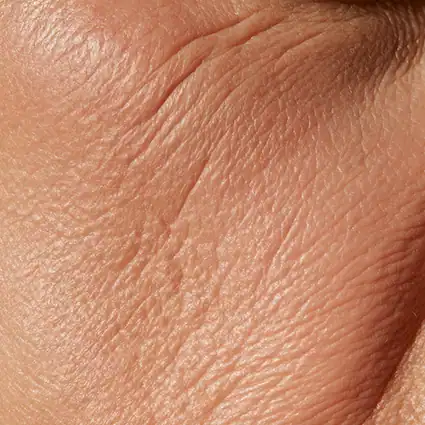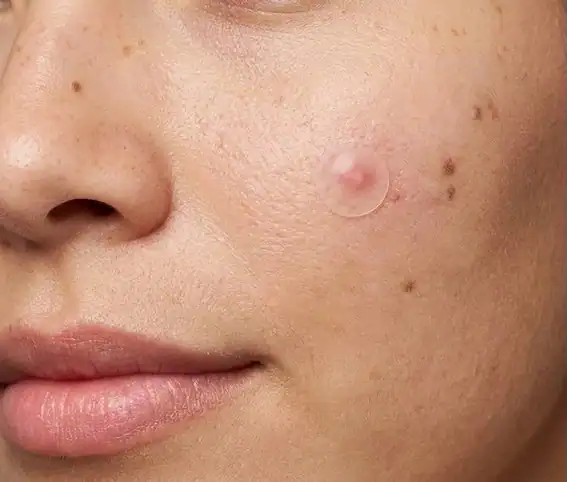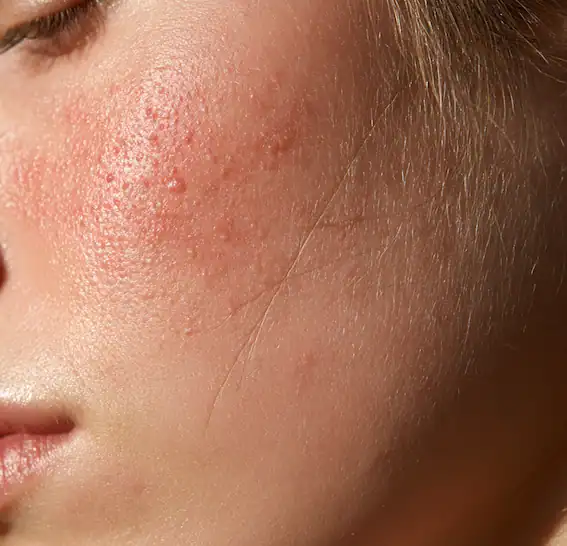
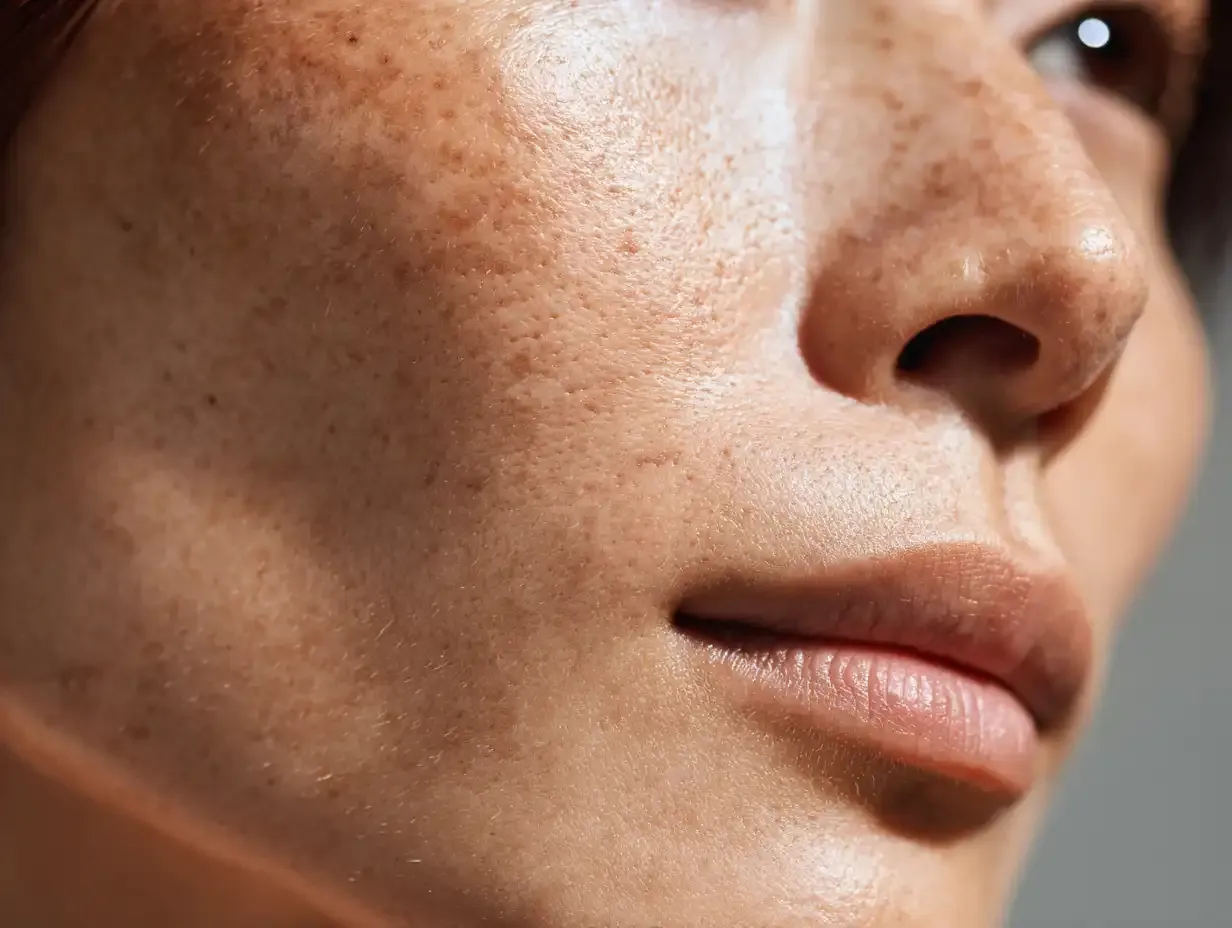
Learning how to get rid of freckles starts with understanding what they actually are. Freckles are small, flat patches of concentrated melanin showing up where the sun hits most often, usually on the face, shoulders, arms and back of the hands. They're harmless in themselves, but plenty of people want to fade them for a smoother, more even complexion.
The honest answer is there's no single switch to flip. Some freckles lighten on their own in winter, others sit around for years, and a few need active treatment to budge at all. Which approach suits you depends on the freckle type, your skin tone and how much past sun damage is already sitting in the skin.
Knowing how to get rid of freckles really means choosing between sun protection, topical creams, and in-clinic procedures, then matching the method to your skin. The sections below cover what triggers them, the realistic ways of fading them, and when a freckle is worth showing to a doctor instead of treating at home.
Key takeaways
- Freckles are clusters of melanin caused by sunlight prompting melanocytes to make extra pigment, so they're closely tied to your sun history and skin type.
- You can't always erase a freckle permanently, but daily broad-spectrum sunscreen, topical retinoids, vitamin C, niacinamide and azelaic acid can fade the appearance over time.
- Prescription-strength options such as tretinoin and hydroquinone are doctor-led in Australia and tend to work faster than over-the-counter creams for stubborn marks.
- In-clinic laser treatment and chemical peels are alternatives with real trade-offs around cost, downtime and suitability.
- Any freckle or mole changing in size, colour, shape or border deserves a doctor's review to rule out skin cancer.
What Are Freckles on Your Skin?
Freckles are small areas of skin where pigment-producing cells have made extra melanin in response to ultraviolet light. They sit flat against the surface and tend to be most obvious on a fairer complexion, though they appear across most skin tones. The two common kinds get confused, so it helps to compare them before deciding how to get rid of freckles, since one usually responds to a daily cream while the other often needs more.
Comparing Your Options
Here's a quick comparison of how the two main freckle types differ and what each means for fading them with creams, a clinic peel or laser treatment.
| Feature | Ephelides (true freckles) | Solar lentigo (sun spot) |
|---|---|---|
| Trigger | Sunlight plus genetics | Cumulative sun damage over years |
| Behaviour | Often fade in winter | Persistent, rarely fade alone |
| Depth | Superficial pigmentation | Deeper pigmentation |
| Topical helpers | vitamin C and sunscreen | hydroquinone, peel or laser treatment |
| Best approach | Daily sunscreen to lighten and fade gradually | Topicals or a clinic procedure |
A solar lentigo, or lentigo, won't usually lighten on its own the way a true freckle can. That difference in skin tone change and depth is why a clinic often suggests different plans for each.
What Triggers Freckles to Form?
Freckles form when ultraviolet light prompts skin cells to overproduce melanin in localised spots. According to research on sun-induced freckling, true freckles are driven by a combination of UV exposure and genetic factors, with pigment clustering where the sun lands most.[1]
Repeated sun damage is the main trigger, and it's why freckles cluster on the face, shoulders and hands. The longer your skin absorbs UV, the deeper the pigmentation tends to build with each summer.
Inflammation plays a part too. Studies suggest pigmentation can follow skin injury or irritation, where healing skin deposits extra melanin in a process related to post-inflammatory hyperpigmentation.[2] Working out how to get rid of freckles means tackling that pigmentation at the source rather than buffing the surface. An in-clinic consultation for a peel or laser removal is one route, though it carries cost and downtime, so a doctor-led cream to reduce the appearance of marks is often the more practical first step before any removal procedure.
What Are the Different Types of Freckles?
There are two main types of freckles, and telling them apart changes how you treat them. According to research on ephelides and solar lentigines, true freckles are small, light brown spots that often fade in winter, while solar lentigines are darker, fixed marks from cumulative sun exposure.[1]
True freckles tend to appear in childhood, sit at a superficial pigment depth, and respond well to sun protection. They hold less melanin than a sun spot, so they're the easier of the two to lighten on a fair skin tone.
Solar lentigines run deeper. Clinical evidence indicates the pigmentation in these lesions is more entrenched, partly because the same melanocyte changes that drive other marks feed them, much like the mechanisms behind post-inflammatory marks.[2] A stubborn lesion may need a topical that helps the skin exfoliate dead surface cells, a prescription cream, a peel, or an in-clinic removal consultation as an alternative when home creams stall. Knowing how to get rid of freckles like these means weighing the cost and downtime of removal against a slower at-home plan.
How Do You Remove Freckles for Good?
No treatment can remove a freckle with a promise it won't return, because fresh sun exposure can always trigger new melanin. The realistic goal is fading existing marks and protecting the skin so they don't darken again, and how well you remove freckle pigmentation depends on the type and depth.
For deeper marks, a chemical peel performed at a clinic lifts surface brown pigmentation, while stronger removal options speed things along. A doctor-led prescription approach can combine ingredients such as tretinoin and hydroquinone to fade marks faster than most over-the-counter creams, which is one path toward a more even skin tone. Daily protection from sun exposure is the part that makes any removal last, because without it the same exposure rebuilds the colour you just cleared.
Does Protective Clothing Help Prevent Freckles?
Yes, protective clothing genuinely helps prevent freckles by blocking the UV that triggers them in the first place. According to reviews of pigmentary disorders, reducing UV is foundational to managing hyperpigmentation, since sunlight is the main driver of new marks.[3] A broad-brimmed hat, long sleeves and shade do more day to day than most creams, and they cost nothing.
Prevention matters because inflammation leaves its own marks. Clinical evidence on acne shows inflammatory skin conditions can lead to lasting pigment changes once the skin settles.[4] Research on the same process confirms a melanocyte activated by injury lays down extra melanin that also lingers well after redness fades, which is why the appearance of freckle clusters can deepen after irritation.[2]
So can you prevent freckles from developing? You can't stop a genetic tendency, but you can stop most new ones developing by covering up, using SPF daily and adding a topical active. Retinol-based creams are a useful example here. Such retinol-based creams, including stronger topical retinoids, speed cell turnover so pigmented cells shed sooner, which helps a true freckle ephelide fade over time. For most people this combination is far more reliable than a one-off chemical peel or laser removal, and it spares you the clinic downtime.
When Should You See a Doctor About Freckles?
See a doctor if a freckle changes in size, colour, shape or border, or if a new dark mark appears and keeps growing. Those features can signal skin cancer rather than a harmless freckle, and they're worth checking promptly, especially on light skin with a heavy sun exposure history. A doctor can also confirm whether a mark is a true freckle, a sun spot, or something needing a biopsy.
Beyond safety, a doctor can help if you want to lighten persistent pigmentation that home products and daily sunscreen haven't shifted. A prescription cream can target a stubborn complexion more directly than vitamin serums, and help marks fade where over-the-counter options stall, while a clinic can advise whether laser treatment suits your skin and your goal of a more even skin tone.
Summary
Freckles are sun-driven pigment ranging from fading true freckles to fixed sun spots, and managing them affects how people feel about their skin.[3] Because UV is the main trigger, daily protection plus topical actives does most of the work, with prescription options for stubborn marks.[1] Prescription Skin uses an online skin assessment reviewed by Australian-registered doctors to build a personalised prescription formula where clinically appropriate, so the next step is a doctor's review.
Frequently asked questions
Is it possible to get rid of a freckle?
You can't always remove a freckle for good, since fresh sun exposure can trigger new melanin at any time. You can fade existing freckles with daily sunscreen, proven topicals and, for stubborn marks, doctor-led prescription creams or an in-clinic procedure. The aim is lasting fading rather than a guaranteed one-off erase.
How do you remove freckles naturally?
There's no scrub or kitchen remedy that safely erases freckles, despite what you'll read online. The most reliable at-home approach is daily broad-spectrum sunscreen plus an evidence-backed active such as vitamin C, niacinamide or azelaic acid, which gradually lighten pigment with consistent use over weeks.
Can a doctor help with how to get rid of freckles?
Yes, a doctor can help with how to get rid of freckles by confirming the type, ruling out anything sinister, and prescribing stronger options where appropriate. Doctor-led creams combining tretinoin and hydroquinone can fade pigmentation faster than over-the-counter products, with proper monitoring and a check on your suitability first.
Can you remove your own freckles?
You shouldn't try to physically remove your own freckles by scrubbing, cutting or using unregulated lightening products, as that risks scarring and worse pigmentation. Fading them with proven topicals or a clinic procedure is far safer, and a skin assessment helps match the method to your skin.
How do I stop getting freckles?
You can't fully stop getting freckles if you're prone to them, but you can sharply reduce new ones by limiting sun exposure, wearing protective clothing and applying SPF 50+ daily. Genetics set your tendency, while UV decides how many actually appear. Newer topical actives such as thiamidol are being studied for how they interrupt the pigment pathway.[5]
What are freckles?
Freckles are small, flat clusters of melanin that form where UV light hits the skin most, usually the face, shoulders and hands. They come in two main types: true freckles that often fade in winter, and sun spots that persist for years. Both are usually harmless markers of sun exposure rather than disease, though any changing mark deserves a doctor's eye. For related reading, see our guides on hydroquinone 2 vs 4 in Australia and retinol vs tretinoin.
References
- Praetorius C, Sturm RA, Steingrimsson E. Sun-induced freckling: ephelides and solar lentigines. Pigment cell & melanoma research. 2014. doi:10.1111/pcmr.12232. PubMed ↩︎
- Maghfour J, Olayinka J, Hamzavi IH, Mohammad TF. A Focused review on the pathophysiology of post-inflammatory hyperpigmentation. Pigment cell & melanoma research. 2022. doi:10.1111/pcmr.13038. PubMed ↩︎
- Wang RF, Ko D, Friedman BJ, Lim HW, Mohammad TF. Disorders of hyperpigmentation. Part I. Pathogenesis and clinical features of common pigmentary disorders. Journal of the American Academy of Dermatology. 2022. doi:10.1016/j.jaad.2022.01.051. PubMed ↩︎
- Elbuluk N, Grimes P, Chien A, Hamzavi I, Alexis A, Taylor S. The Pathogenesis and Management of Acne-Induced Post-inflammatory Hyperpigmentation. American journal of clinical dermatology. 2021. doi:10.1007/s40257-021-00633-4. PubMed ↩︎
- Frey C, Grimes P, Callender VD, Alexis A, Baldwin H, Elbuluk N. Thiamidol: A Breakthrough Innovation in the Treatment of Hyperpigmentation. Journal of drugs in dermatology : JDD. 2025. doi:10.36849/JDD.9093. PubMed ↩︎
Medically Reviewed Content
- Written by: Prescription Skin Editorial Team
- Medically Reviewed by: Dr Mitch Bishop - AHPRA Registered Practitioner (MED0002309948)
- Last Updated: June 2026
This content is for informational purposes only and does not constitute medical advice. Treatment is subject to consultation and approval by our Australian-registered doctors.