- Key takeaways
- Key Points on Back Acne Scarring
- How to Identify Back Acne Scars on Your Skin
- What Causes Acne on the Back to Scar
- Scar Types Left Behind by Back Breakouts
- Further In Clinic Acne Scar Treatment Options
- How to Prevent Back Acne and New Scarring
- Doctor Led Skin Care Through Prescription Skin
- When to See a Doctor About Back Scarring
- Summary
- Frequently asked questions
Bacne scars treatment is the process of fading the marks and smoothing the texture changes left behind after back acne has settled, using topical medicines, in-clinic procedures, or both. Back acne is simply acne on the trunk, and it behaves differently from the face. Skin there is thicker, carries more sebaceous glands per square centimetre, and is constantly rubbed by clothing, backpacks and gym benches.
That combination matters clinically. Deeper follicular inflammation plus mechanical tension means the healing response often overshoots, so raised scars are far more common on the back and shoulders than they are on the cheeks.[1] According to a 2025 review of acne scar management, the choice of treatment depends far more on scar morphology and skin phototype than on where the scar sits.[2]
There's also a diagnostic trap worth naming early. A lot of what people call scarring is actually flat pigment, and pigment responds to completely different treatment than a pitted scar does. Research on scar therapy consistently separates atrophic, hypertrophic and pigmentary outcomes because mixing them up leads to months of the wrong product.[3]
Realistic expectations help too. Evidence syntheses report meaningful improvement across most modalities, but clearance is rarely complete and repeat sessions are the norm.[4][5] What follows is how to tell scar types apart, what actually drives the damage, and how bacne scars treatment is sequenced in Australia, including which ingredients you can buy and which ones need a doctor. If you're still getting active lesions, start with our overview of acne, because clearing the breakouts is step one.
You may also find this related guide helpful: skin tightening which treatments actually firm skin.
Key takeaways
- Bacne scars treatment works best when you split the problem in two: flat brown or red marks (post-inflammatory hyperpigmentation) usually fade with topicals, while true indented or raised scars need collagen remodelling.[6]
- Skin on the back is thicker, oilier and under more mechanical tension than facial skin, so back acne scars tend to be deeper and are more likely to heal as raised hypertrophic or keloid tissue.[1]
- Controlling active breakouts comes first. Every new inflamed lesion is a chance for a fresh scar, and no resurfacing procedure holds up while acne is still flaring.
- Prescription topicals such as tretinoin and hydroquinone above 2% are Schedule 4 medicines in Australia and need a doctor's prescription, which is what an online skin assessment with Prescription Skin is for.
- Expect months, not weeks. Pigment often settles over 3 to 6 months, and textural scars usually need combination treatment with partial rather than complete improvement.[2]
Key Points on Back Acne Scarring
Back acne scarring is permanent structural change in the dermis after inflamed acne, and it is not the same thing as the flat discolouration that follows a spot. Sorting your marks into the right category is the single most useful thing you can do before spending money, because each category has a different first-line answer. The table below compares the three outcomes that back acne leaves behind.
| Outcome | What you see and feel | Typical first-line approach |
|---|---|---|
| Post-inflammatory pigmentation | Flat brown, purple or red marks, smooth to touch, no dent or lump | Topical niacinamide, azelaic acid or a retinoid, plus sun protection[3] |
| Atrophic back acne scar | Indented ice pick, boxcar or rolling depressions, visible in side lighting | Collagen induction such as microneedling, fractional resurfacing or chemical peeling[5] |
| Hypertrophic or keloid back acne scar | Raised, firm, sometimes itchy or tender, common over shoulders and mid back | Intralesional corticosteroid, silicone, pressure therapy; avoid aggressive resurfacing[1] |
According to published pathogenesis reviews, the depth and duration of the original inflammation predicts acne scarring better than lesion count does, which is why a few deep nodules can do more damage than months of small pimples.[6] Network meta-analysis data also show that the best-performing option for an acne scar shifts with skin phototype, so darker Australian skin tones need gentler energy settings to avoid making pigment worse.[2] Any honest bacne scars treatment plan starts with that assessment rather than a product.[4]
How to Identify Back Acne Scars on Your Skin
Back acne scars are the permanent dents, raised lumps and stubborn marks that remain once an inflamed spot has healed, and you identify them mostly by touch and by light. Run a hand flat across the area. If the surface catches or ripples, the change is textural. If it feels completely smooth but looks discoloured, you are dealing with pigment, not a scar.
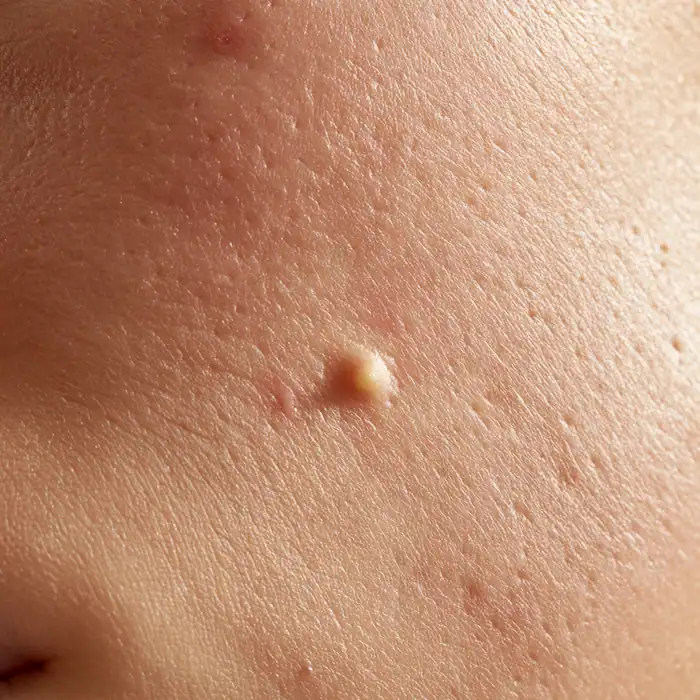
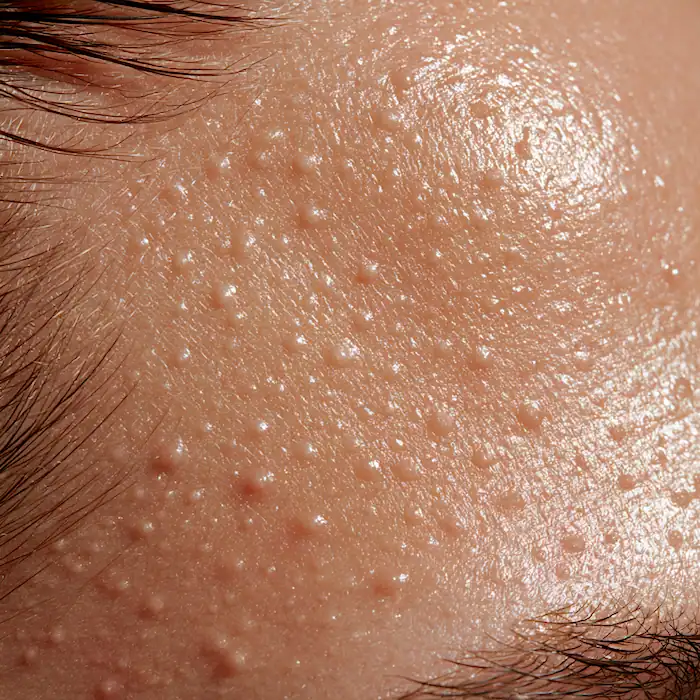
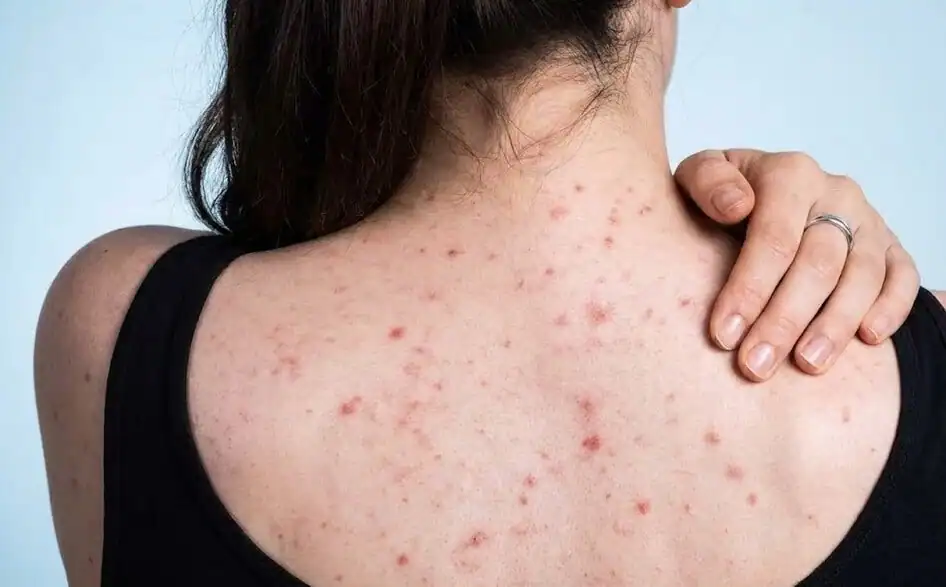
Back acne itself is acne affecting the upper back, shoulders and sometimes the mid back, presenting as comedones, papules, pustules and occasionally deep nodules. Scars form when that inflammation breaches the follicular wall and damages surrounding collagen, and the repair either under-fills or over-fills the defect.[6]
Signs consistent with true back acne scarring include:
- Small round or angular pits that become obvious when a bathroom light hits the back from the side.
- Firm raised nodules sitting exactly where an old lesion was, sometimes itchy, most often across the shoulder blades.
- A rippled or uneven surface across the upper back rather than discrete marks.
- Flat brown or slate-grey patches that have not shifted in six months, which is more consistent with pigment than scar.
Do acne scars on your back go away on their own? Flat pigment usually does, over months to a couple of years, while indented and raised scars persist without treatment.[3] Getting rid of back acne scars therefore means matching the method to the type: topicals and time for pigment, remodelling procedures for atrophic acne scar defects, and flattening therapy for raised ones.[5]
Treating them matters for more than appearance. Studies suggest visible truncal scarring carries a real psychological burden and limits clothing and activity choices, and untreated active acne keeps adding new scars.[4]
A few look-alikes get misdiagnosed as an acne scar. Keratosis pilaris gives rough follicular bumps on the upper arms and shoulders, pityrosporum folliculitis gives uniform itchy pustules, and hyperpigmentation from friction can mimic old marks. Bacne scars treatment aimed at the wrong diagnosis simply will not work, which is why a doctor's review is worth it before you commit.
What Causes Acne on the Back to Scar
Acne on the back scars because the lesions there start deeper, last longer and sit under constant mechanical stress. Back acne begins the same way facial acne does: sebum and dead keratinocytes plug the follicle, Cutibacterium acnes proliferates, and the immune system responds with inflammation.[6] The difference is scale. Truncal follicles are larger and more numerous, so a plugged pore holds more material before it ruptures.
When that follicular wall finally gives way, inflammatory contents spill into the dermis. Research on scar pathogenesis shows the resulting enzymatic damage degrades collagen and elastin, and the repair response decides the outcome: too little new collagen leaves a pit, too much leaves a raised scar.[3]
Several things reliably make back acne worse or more likely to scar:
- Delay. People treat facial acne within weeks and back acne within years, and duration of inflammation is a known scar risk factor.[2]
- Androgen-driven sebum production, which is why truncal acne is common in teenage boys and in adults on anabolic steroids.
- Occlusion and friction from sweaty gym singlets, backpack straps, car seats and surf wetsuits, which mechanically aggravate follicles.
- Squeezing. Pressure forces inflammatory material sideways into the dermis and deepens the injury.
- Cystic and nodular lesions, which scar far more often than superficial pustules.
Australian summers add a practical layer. Heat and humidity mean more sweat sitting under clothing for longer, and clinical evidence indicates that persistent inflammation is what converts an ordinary pimple into a scar.[5] Effective bacne scars treatment starts by shutting that inflammation down, often with a topical retinoid or salicylic acid to keep follicles clear. Sun exposure through thin clothing then darkens whatever marks are already there.[4]
Scar Types Left Behind by Back Breakouts
Back breakouts leave three recognised scar type groups: atrophic, hypertrophic and keloid, alongside flat pigmentary marks that are not true scars at all. Placing your own presentation into one of these decides the whole treatment path.[2]
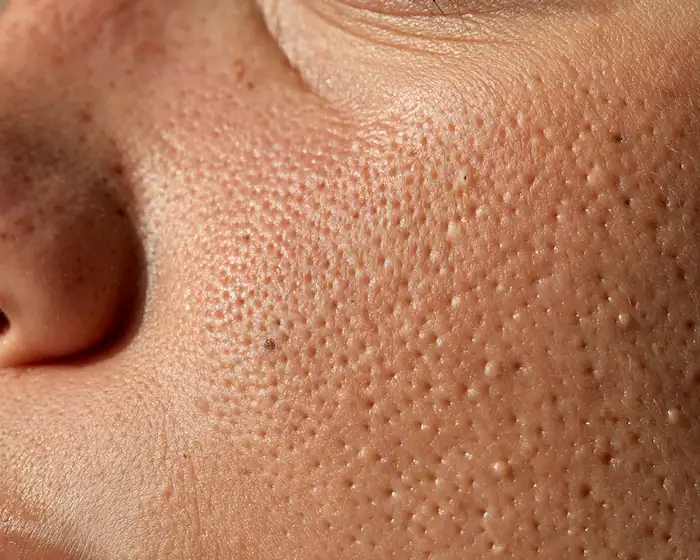
An atrophic scar is depressed. Ice pick scars are narrow and steep, boxcar scars have sharp vertical walls and a flat floor, and rolling scars are broad and shallow with a tethered, undulating surface. All three come from collagen loss, and they respond to collagen induction such as microneedling, which has been studied specifically in atrophic acne scarring.[7]
A hypertrophic scar is the opposite problem: firm raised tissue that stays within the original lesion borders. A keloid extends past those borders and can keep growing, and it is far more common on the shoulders, chest and mid back than on facial acne sites.[1] Anyone with acne prone skin and a personal or family history of keloid formation should say so before any resurfacing, because trauma can trigger new ones.[5]
Flat back acne marks are pigment. They sit level with the skin and slowly fade, and they are the group most likely to improve with topical back acne treatment rather than procedures.[3] Mixed presentations are the rule in body acne, so most people need more than one approach. A chemical peel may suit shallow marks, while deep pits need something that reaches the dermis. Any realistic bacne treatment plan sorts bacne scars by this classification first.
Further In Clinic Acne Scar Treatment Options
In-clinic acne scar treatment falls into four classes: chemical resurfacing, mechanical collagen induction, energy-based resurfacing, and injectables. According to a 2025 network meta-analysis, combination protocols generally outperform any single modality for an atrophic acne scar, though effect sizes vary with phototype.[2]
Chemical resurfacing uses acids at clinical strength to remove damaged layers and prompt remodelling. Mechanical collagen induction, mainly microneedling with or without radiofrequency, creates controlled micro-injuries that stimulate new collagen. Energy-based devices including fractional ablative and non-ablative lasers remain a mainstay of acne scar treatment, and research shows they carry a higher pigmentation risk in darker skin, so settings matter.[4] Injectables cover intralesional corticosteroid for raised scars and subcision for tethered rolling ones.[3]
Topical prescription therapy underpins all of it, and it's where Prescription Skin fits. You complete an online free skin assessment with photos, an Australian-registered doctor reviews your acne and scarring, and where it's clinically appropriate they prescribe a compounded formula. Active ingredients may include tretinoin, adapalene or tazarotene for texture and turnover, azelaic acid for inflammation and pigment, niacinamide, and hydroquinone for stubborn discolouration. Tretinoin, tazarotene and hydroquinone above 2% are prescription-only medicines in Australia and are not sold without consultation and doctor approval. A custom prescription skincare formula also keeps active acne under control so procedural results aren't undone by fresh lesions.
How to Prevent Back Acne and New Scarring
Preventing back acne scarring means preventing inflamed back acne in the first place, because scars are a wound-healing outcome and not an inevitability. Back acne causes scarring when inflammation reaches the dermis and stays there long enough to degrade collagen, so the goal is fewer deep lesions and shorter-lived ones.[6]
According to reviews of acne scar pathogenesis, early and adequate acne control is the most effective scar prevention available.[1] Waiting to see if it settles on its own is where most of the permanent damage happens.
Practical measures that help prevent back acne:
- Shower and change out of damp gym gear promptly rather than sitting in it through the drive home.
- Use a wash containing salicylic acid or benzoyl peroxide a few times a week, and be aware benzoyl peroxide bleaches towels and sheets.
- Choose loose, breathable fabrics and loosen backpack straps where you can.
- Leave lesions alone. Squeezing deepens the injury and is a direct route to a scar.
- Cover healing marks from UV, since sun exposure darkens and prolongs post-inflammatory pigment.[3]
Timelines are worth being honest about. Topical treatment for bacne usually takes 8 to 12 weeks before breakout frequency clearly drops, and pigment continues to settle over 3 to 6 months after that.[2] Retinoids commonly cause dryness and peeling in the first fortnight, and stopping at that point is the most common reason treatment fails. Our guide to the first 8 weeks on prescription skincare walks through what that settling-in period looks like.
Maintenance is ongoing. Clinical evidence indicates acne relapses when treatment stops, so most people stay on a lower-frequency routine long term rather than finishing a course.[5] Men get truncal acne more often, and our men's skincare guide covers a workable routine.[4]
Doctor Led Skin Care Through Prescription Skin
Prescription Skin is an Australian online service where doctors assess your skin from photos and a questionnaire and, where clinically appropriate, prescribe a compounded formula. That model suits truncal scarring reasonably well, because the mainstay of long-term care is a topical you apply at home rather than a procedure.
What a doctor does in that assessment is diagnostic. They distinguish an atrophic scar from a raised scar, identify hyperpigmentation that will fade with topicals, and flag a keloid risk that would make aggressive resurfacing a poor idea.[1] They'll also check whether acne on your chest or back is still active, since research shows procedural results are unreliable while inflammation continues.[2]
A prescribed formula can target acne and help clear pores and reduce visible marks over time using ingredients like tretinoin, azelaic acid and niacinamide. Being clear about the limits matters: topicals treat acne and pigment well, but they do not replace a chemical peel, microneedling, or a dermal filler for deep structural defects, and studies suggest combination care gives the better outcome for those.[7][3]
Where in-clinic work is needed, your doctor can say so and you can continue topical acne treatment alongside it.[5] Treatment is always subject to consultation and approval, and a formula isn't suitable for every case of bacne scarring. You can read more about Prescription Skin and the conditions our doctors review.
When to See a Doctor About Back Scarring
See a doctor about back scarring if lesions are deep and painful, if raised tissue is growing, or if three months of consistent over-the-counter care hasn't changed anything. Nodular and cystic back acne scars the skin quickly, and waiting rarely improves the outcome.[6]
Book a review if you notice any of the following:
- A firm lump that spreads beyond the original spot, which may be a keloid and needs assessment before any laser treatment or chemical peel.[1]
- Deep, tender nodules on the back or chest that recur in the same spots.
- Widespread post-inflammatory hyperpigmentation that hasn't lightened at all in six months.
- Scarring that is affecting sleep, clothing choices or mood.
- A pattern of back marks that looks different from your facial acne, since folliculitis and other mimics need a different medicine.
Self-care is not enough once scarring is structural. According to evidence reviews, established atrophic and hypertrophic scars do not respond to cosmetic products alone and require prescription-strength or procedural intervention.[5][2] Bacne treatments in Australia that involve tretinoin, prescription-strength hydroquinone or oral isotretinoin all require a doctor, and any realistic treatment pathway starts with that consultation.[3] Studies suggest earlier intervention gives better results for bacne scars than delayed treatment.[4]
Summary
Bacne scars treatment comes down to correctly sorting flat pigment from indented and raised scars, then treating active breakouts hard enough that no new damage accumulates. Topicals including retinoids, azelaic acid and niacinamide handle pigment and texture over months, while structural scars usually need combination procedures.[2][3] Prescription Skin's model is an online skin assessment reviewed by an Australian-registered doctor, who can prescribe a compounded formula where it's clinically appropriate for your bacne scars treatment plan.
Frequently asked questions
How do you get rid of back acne scars?
Getting rid of back acne scars requires matching the method to the scar: prescription retinoids and azelaic acid for flat pigment, microneedling or fractional resurfacing for indented scars, and intralesional corticosteroid for raised ones.[2] Controlling active back acne first is non-negotiable, otherwise new lesions keep replacing the scars you've treated.
How long do bacne scars last?
Flat bacne marks typically fade over 3 to 12 months, while true indented or raised scars are permanent without treatment. Pigment in darker skin tones tends to linger at the longer end of that range, and unprotected sun exposure extends it further.[3]
Can a doctor prescribe treatment for bacne scars online?
Yes, an Australian-registered doctor can prescribe topical treatment for bacne scarring after an online assessment, where it's clinically appropriate. You submit photos and a history, the doctor reviews them, and a compounded formula containing actives such as tretinoin or azelaic acid may be prescribed. Approval isn't automatic and some cases need in-person review.
Are bacne scars permanent?
True bacne scars are permanent in the sense that the collagen change doesn't reverse on its own, but their appearance can be substantially improved. Evidence syntheses report meaningful reduction in scar depth and visibility with combination treatment, though complete clearance is uncommon.[4]
What is the best treatment for back acne marks?
The best treatment for back acne marks that are flat and discoloured is a topical retinoid combined with azelaic acid or niacinamide, plus sun protection. Face and back acne share the same underlying mechanism, but back skin is thicker and often needs higher-strength formulations and longer treatment than facial acne does.
What do Koreans do for acne scars?
Korean acne care typically emphasises early, gentle intervention: consistent barrier support, low-irritation actives, hydrocolloid patches on individual lesions, and in-clinic laser or microneedling for established scars. The evidence base is the same as elsewhere, and the underlying principle, treating inflammation early, is what actually protects against scarring.[8][9]
References
- See JA. Acne scarring: why it occurs and what can be done. Medicine Today. 2025;26(4):25-29. ↩︎
- Wu B, Gao M, Zhang Y, et al. Optimal treatment options for acne scars in patients with historic acne: a systematic review and network meta-analysis. PeerJ. 2025;13:e19938. doi:10.7717/peerj.19938. PubMed ↩︎
- Zhang M, Liu C, Zhang S, et al. Advances in the treatment of acne scars. Frontiers in Medicine. 2025;12:1643035. doi:10.3389/fmed.2025.1643035. PubMed ↩︎
- Qoreishi SH, Gholizadeh N, Rokni GR, et al. Advancements in Acne Scar Treatment: Exploring Novel Therapies. Journal of Cosmetic Dermatology. 2025;24(5):e70183. doi:10.1111/jocd.70183. PubMed ↩︎
- Kravvas G, Al-Niaimi F. A systematic review of treatments for acne scarring. Part 1: Non-energy-based techniques. Scars, Burns & Healing. 2017;3:2059513117695312. doi:10.1177/2059513117695312. PubMed ↩︎
- Connolly D, Vu HL, Mariwalla K, et al. Acne Scarring-Pathogenesis, Evaluation, and Treatment Options. Journal of Clinical and Aesthetic Dermatology. 2017;10(9):12-23. PubMed ↩︎
- Majid I. Microneedling therapy in atrophic facial scars: an objective assessment. Journal of Cutaneous and Aesthetic Surgery. 2009;2(1):26-30. doi:10.4103/0974-2077.53096. PubMed ↩︎
- Abdel Hay R, Shalaby K, Zaher H, et al. Interventions for acne scars. Cochrane Database of Systematic Reviews. 2016;4(4):CD011946. doi:10.1002/14651858.CD011946.pub2. PubMed ↩︎
- Chilicka K, Rusztowicz M, Szyguła R, et al. Methods for the Improvement of Acne Scars Used in Dermatology and Cosmetology: A Review. Journal of Clinical Medicine. 2022;11(10):2744. doi:10.3390/jcm11102744. PubMed ↩︎
Medically Reviewed Content
- Written by: Prescription Skin Editorial Team
- Medically Reviewed by: Dr Mitch Bishop - AHPRA Registered Practitioner (MED0002309948)
- Last Updated: September 2026
This content is for informational purposes only and does not constitute medical advice. Treatment is subject to consultation and approval by our Australian-registered doctors.
Part of our condition guide
Acne →