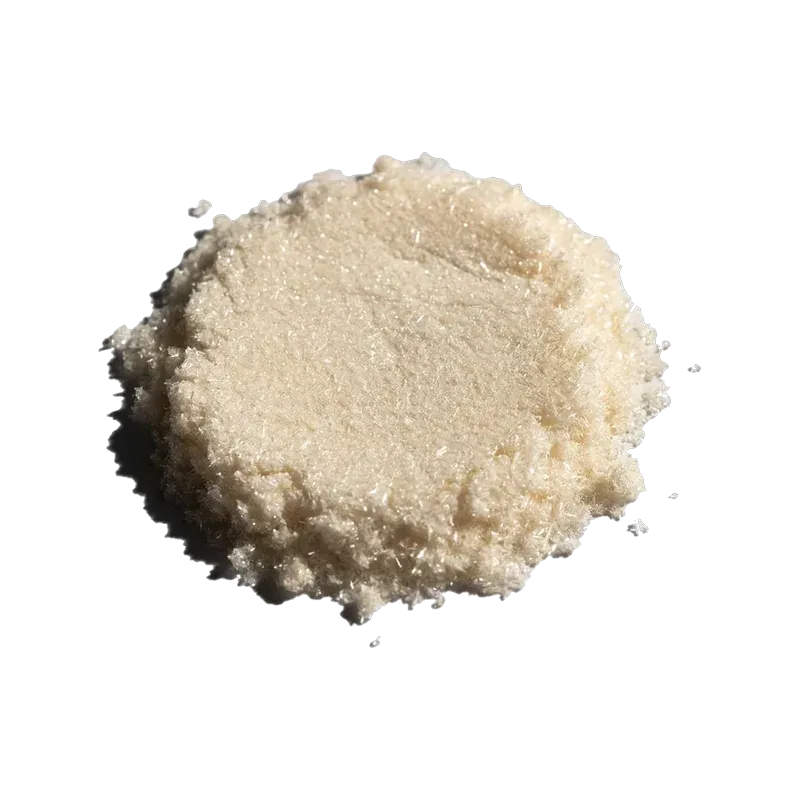
- Kojic Acid at Prescription Skin
- Key takeaways
- How kojic acid works
- Types, strengths and availability in Australia
- What kojic acid can help with
- How kojic acid is used at Prescription Skin
- How to apply kojic acid
- What to use with kojic acid
- Side effects, what is normal and what isn't
- When will I see results?
- Who should avoid or use caution
- How to get started with kojic acid at Prescription Skin
- FAQs
- References
Kojic Acid at Prescription Skin
| Ingredient Type | Fungal-derived tyrosinase inhibitor (hydroxypyrone pigment modulator) |
|---|---|
| Common Names / Forms | Kojic acid (5-hydroxy-2-(hydroxymethyl)-4-pyrone) 1% to 4% cream, gel or serum; cosmetic ester derivatives such as kojic acid dipalmitate |
| Best For | Melasma, post-inflammatory hyperpigmentation (post-acne marks), sun-induced dark spots and uneven tone |
| How It Works | Chelates copper ions at the active centre of tyrosinase to slow new melanin synthesis, with antioxidant support |
| Availability in Australia | Over the counter in cosmetic serums, creams and soaps (typically up to 1%); higher-strength 1% to 4% multi-active creams compounded by prescription after doctor review |
| Pregnancy & Breastfeeding | Generally regarded as lower-risk topically, though human pregnancy data are limited; use only on your doctor's advice, avoid the breast area while nursing, and check partner actives (hydroquinone and retinoids are strictly avoided in pregnancy) |
| Typical Results Timeline | Gradual fading usually noticed over 8 to 12 weeks or more alongside daily broad-spectrum SPF 50+ |
Kojic acid is a natural fungal metabolite widely used in dermatology to soften melasma, post-acne dark marks and uneven hyperpigmentation by slowing tyrosinase, the key enzyme driving melanin production.[1][2]
Although low-strength cosmetic serums and soaps are sold over the counter in Australia, clinical studies support stable leave-on creams paired with complementary brightening actives.[2][3] At Prescription Skin, our Australian-registered doctors prescribe freshly compounded 1% to 4% kojic acid cream alongside partners such as niacinamide, potassium azeloyl diglycinate or tranexamic acid as a hydroquinone-free or maintenance option.
Key takeaways
- Kojic acid inhibits tyrosinase to slow new melanin formation, earning a Grade A recommendation in a 2023 PRISMA melasma systematic review and recognition as an evidence-based non-hydroquinone alternative in the 2026 international melasma Delphi consensus.[1][2][4]
- Low-strength kojic acid alone (0.75%) acts more slowly than 4% hydroquinone; stronger clinical results come from 1% to 2% leave-on creams or multi-active combinations.[3][5][6]
- Cosmetic safety panels (CIR and the EU SCCS) support up to 1% for unsupervised cosmetic products, whereas doctor-guided dermatological creams span 1% to 4% and must be protected from heat and light to prevent degradation.[7][8][9][10]
- Kojic acid carries a well-documented risk of delayed allergic contact dermatitis developing weeks or months into use, making a short patch test sensible before regular facial application.[9][11]
- Noticeable fading takes 8 to 12 weeks or more and relies on strict daily broad-spectrum SPF 50+ sunscreen.[4][12]
How kojic acid works
Blocking the tyrosinase enzyme
Melanin is built inside pigment cells (melanocytes) through steps controlled by tyrosinase, a copper-dependent enzyme.[13] Kojic acid's hydroxyketone structure binds tyrosinase's active centre and chelates the copper ions required for catalysis, curbing excess new melanin synthesis in hyperpigmented patches.[1][13][14]
Antioxidant and melanogenesis support
Reviews also note free-radical scavenging (antioxidant) and anti-inflammatory properties alongside direct tyrosinase inhibition, helping quiet local oxidative signals that keep pigment cells overactive.[1][14]
Complementing multimodal pigment care
Melasma and post-inflammatory hyperpigmentation involve melanin synthesis, pigment transfer (melanosome distribution), inflammation and UV triggers.[15] Pairing kojic acid with agents acting on separate steps, such as niacinamide, tranexamic acid, azelaic acid derivatives or glycolic acid, targets stubborn pigment more broadly than single-pathway care.[3][6][15]
What kojic acid does not do
Kojic acid softens excess surface pigment rather than curing the underlying tendency to melasma or preventing sun-driven relapse.[4][15] It cannot replace daily sunscreen, clears deep dermal pigment slowly if at all on its own, and does not treat indented acne scars or raised lesions, which need separate medical assessment.
Types, strengths and availability in Australia
In Australia, kojic acid itself is not a Schedule 4 prescription-only medicine. Low-strength cosmetic serums, creams and soaps are sold over the counter under Australia's cosmetic chemical framework (AICIS), while products making therapeutic claims to treat medical skin conditions fall under TGA oversight.[16] For medical pigment care, dermatology references list 1% to 4% topical creams, which Australian doctors can prescribe as freshly compounded multi-active formulas.[9]
| Form / Preparation | Typical Strengths | Main Role | Key Considerations |
|---|---|---|---|
| Over-the-counter kojic acid serum or cream | 0.5% to 1% | Gentle cosmetic brightening for mild uneven tone | Aligns with 1% unsupervised cosmetic safety ceilings; formula stability varies across retail products.[7][8] |
| Kojic acid soap or wash | Up to 1% or unstated blends | Short-contact cleansing marketed for brightness | Published melasma clinical trials test leave-on creams and gels rather than rinse-off soaps,[5][6][12][17] and hydrophilic actives absorb slowly during brief wash contact while bar soaps can dry facial skin.[7][10] |
| Kojic acid esters (e.g. kojic acid dipalmitate) | Cosmetic blends | Oil-soluble, chemically steadier cosmetic derivatives | Developed to improve oil solubility and reduce chemical degradation,[10][14] though melasma guidelines evaluate free kojic acid rather than esters and the EU SCCS has not assessed kojic acid dipalmitate due to unsubmitted data.[2][4][8] |
| Doctor-prescribed compounded kojic acid cream | 1% to 4% (with partner actives) | Targeted medical care for melasma, post-acne marks and maintenance | Freshly compounded on prescription; stepped gradually and balanced with soothing barrier support.[9] |
Leave-on creams vs kojic acid soaps
Melasma trials evaluate daily leave-on creams and gels rather than rinse-off bars.[5][6][12][17] Because kojic acid is hydrophilic and absorbs slowly through intact human skin, rinsing it away after seconds leaves minimal contact time while cleansing bars can dry and irritate melasma-prone skin.[7][10]
Safe concentrations: 1% cosmetic limits vs 1% to 4% doctor-guided creams
The US Cosmetic Ingredient Review (CIR, 2010) concluded kojic acid is safe in unsupervised cosmetics up to 1% based on dermal sensitisation and depigmentation thresholds,[7] and the European Commission SCCS (2022) confirmed up to 1% in skin-lightening cosmetics after evaluating endocrine safety margins, warning that peels or weakened barriers increase absorption.[8] Higher 1% to 4% leave-on strengths belong under doctor supervision on defined areas.[9]
Why stability and colour change matter
Free kojic acid degrades during prolonged storage.[10][14] Freshly compounded creams are off-white to light-coloured and vary slightly between batches, whereas heat, air or light speeds breakdown and shifts colour noticeably yellow, pink or brown; store tightly closed below 25 °C away from direct light and replace discoloured cream.
What kojic acid can help with
- Melasma: A 2023 PRISMA systematic review (174 trials) gave kojic acid a Grade A recommendation for melasma, and the 2026 international Delphi consensus (including Australian dermatologists) listed it among evidence-based hydroquinone alternatives.[2][4] Trials show practical nuance: in a 12-week comparison of 60 patients, 4% hydroquinone acted faster at week 4 and outperformed 0.75% kojic acid (with 2.5% vitamin C) at week 12.[5] Conversely, adding 2% kojic acid to 10% glycolic acid plus 2% hydroquinone in a randomised split-face trial of 40 women with epidermal melasma lifted greater-than-50% clearance from 47.5% to 60%, and a 2025 16-week open-label randomised study of 72 women found 2% kojic acid cream achieved comparable modified MASI reduction to 5% cysteamine (10% vs 12.25%, non-significant) with good tolerability.[12][17] A 2025 split-face pilot study (n = 30) also found 5% alpha-arbutin plus 2% kojic acid had similar mean MASI shifts to triple combination cream with lower recurrence severity and less stinging, although physician global assessment improved significantly only with triple therapy.[18]
- Post-inflammatory hyperpigmentation (PIH): Helps gradually fade dark marks after acne or minor skin inflammation while keeping irritation low.[15]
- Sun-induced dark spots and facial dyschromia: In a 12-week double-blind trial of 80 multiethnic adults with mild-to-moderate facial dyschromia, twice-daily use of a kojic acid, emblica extract and glycolic acid formulation achieved efficacy parity with twice-daily 4% hydroquinone.[19]
- Hydroquinone-free maintenance: Because hydroquinone is used in supervised pulses, kojic acid combinations serve well during rest phases or when hydroquinone or retinoids are not tolerated.[3][4]
How kojic acid is used at Prescription Skin
At Prescription Skin, doctors prescribe kojic acid at 1%, 2%, 3% or 4% inside individually compounded creams prepared by an Australian compounding pharmacy. Compounded medicines are made specifically for one patient on a doctor's prescription and are not TGA-registered branded products.
Our clinicians use kojic acid in two main hydroquinone-free pathways:
- Kojic acid + potassium azeloyl diglycinate (PAD) + niacinamide: Pairs kojic acid (1% to 4%) with a gentle, water-soluble azelaic acid derivative and niacinamide. This retinoid-free, hydroquinone-free formula suits sensitive skin, post-acne marks and melasma, and can be considered by your doctor during pregnancy or breastfeeding when appropriate.
- Tranexamic acid + kojic acid + niacinamide: Combines tranexamic acid 5% (targeting pigment and vascular redness) with kojic acid (1% to 4%) and niacinamide 5% when PAD is not tolerated or a tranexamic-led non-hydroquinone plan fits better. Because human pregnancy data for combined topical tranexamic acid and kojic acid are limited, Prescription Skin favours the PAD-paired pathway during pregnancy or breastfeeding, and doctors review any clotting history carefully.
Stepping strength up gradually rather than starting at 4% helps balance pigment fading against irritation and contact allergy risk.[9][11]
How to apply kojic acid
Follow your doctor's instructions first. General steps aligned with Prescription Skin's kojic acid Consumer Medicine Information include:
- Patch test before regular use Apply a small amount to a discreet patch of skin for a few days first to check for early sensitivity or allergy.[11]
- Cleanse gently and pat dry Wash with a mild, soap-free cleanser and pat completely dry; avoid broken, sunburnt or actively irritated skin.[8]
- Apply a thin, even layer once daily Smooth over affected areas once a day (every second day at first if sensitive), avoiding the eyes, mouth and inside the nose (rinse with plenty of cool water if it accidentally enters your eyes), then wash your hands. Do not double up after a missed dose.
- Moisturise and wear daily SPF 50+ Use a simple fragrance-free moisturiser and apply broad-spectrum SPF 50+ every morning all year round, reapplying outdoors. See our skin pigmentation creams guide for layering tips.
- Store cool and check colour Keep tightly closed below 25 °C away from heat and direct light, avoid large body areas unless directed, and replace the cream if it expires or shifts noticeably yellow, pink or brown over time (storage instability reduces potency).[10]
What to use with kojic acid
- Niacinamide: Supports the skin barrier, calms redness and addresses abnormal pigment distribution alongside tyrosinase inhibition with minimal side effects.[3][15]
- Tranexamic acid and azelaic acid (or PAD): Address complementary inflammatory, vascular and pigment pathways in multi-active routines.[2][3]
- Vitamin C (ascorbic acid) and SPF 50+: Morning antioxidant and UV defence stop sunlight from reactivating melasma.[4]
- Hydroquinone (doctor-guided only): Clinical trials show synergy in supervised combinations or rotation during hydroquinone breaks; do not self-layer separate prescription lighteners.[6][12]
- Retinoids, exfoliating acids, scrubs and procedures (use caution): Strong retinoids, AHAs/BHAs, peels, alcohol toners, waxing or laser can weaken the barrier, increase absorption and trigger rebound pigment; check with your doctor before combining.[8]
Side effects, what is normal and what isn't
Most patients tolerate balanced kojic acid creams well, though two distinct skin reactions matter clinically:[3][9]
- Mild early adjustment (common): Mild dryness, redness, tingling, warmth, itching or tightness where applied can occur early on and settled by week 3 in combination gel trials.[12] Reducing frequency to alternate days and adding a bland moisturiser usually helps.
- Delayed allergic contact dermatitis (stop and contact your doctor): Kojic acid is a recognised contact allergen capable of causing a delayed itchy rash, redness or swelling after days, weeks or months of use.[9][11] In a Japanese patch-test study of 220 women with suspected cosmetic dermatitis, 5 of 8 kojic acid users reacted to 1% kojic acid (0 of 212 non-users reacted), developing facial dermatitis 1 to 12 months after starting.[11] If a new itchy rash develops later in treatment, stop and contact your doctor.
- Severe reactions (seek urgent care): Stop and contact your doctor for severe or spreading redness, swelling, blistering or weeping skin. For acute allergic signs (swelling of the face, lips or tongue, hives or trouble breathing), stop and call 000 or visit emergency. If accidentally swallowed, call the Australian Poisons Information Centre on 13 11 26.
When will I see results?
- Weeks 1 to 4: Skin adjusts and early mild dryness usually settles; visible pigment change is typically minimal, and lower-strength kojic acid acts more slowly than 4% hydroquinone in early weeks.[5][12]
- Weeks 8 to 12: Most melasma and dyschromia trials measure clear fading at 12 weeks, with epidermal melasma and newer post-acne marks responding first alongside strict daily SPF 50+.[6][12][19]
- Weeks 12 to 16 and maintenance: Deeper melasma often needs 16 weeks or more, followed by doctor-guided maintenance and year-round sun protection to reduce relapse.[4][17]
Who should avoid or use caution
- Known allergy: Avoid if you have ever reacted to kojic acid, any partner active, or cream-base preservatives such as parabens.[11]
- Eczema, broken or sunburnt skin: Barrier damage raises dermal absorption and irritation or sensitisation risk; wait until skin heals.[8]
- Pregnancy and breastfeeding: CIR evaluations found slow human skin absorption and no reproductive toxicity in animal studies.[7] Topical kojic acid is generally regarded as lower-risk, but human pregnancy data are limited, so use it only on your doctor's advice, avoid the breast area while nursing, and check every partner active (retinoids and hydroquinone are strictly avoided in pregnancy, and Prescription Skin uses the PAD-plus-kojic pathway rather than tranexamic-plus-kojic when prescribing for pregnant or breastfeeding patients). See our guide to prescription skincare during pregnancy.
- Planned procedures and partner cautions: Check with your doctor before facial laser, waxing or chemical peels, and disclose any clotting history or oestrogen contraception if your formula includes tranexamic acid.
How to get started with kojic acid at Prescription Skin
Getting the right pigment plan starts with identifying whether your marks stem from melasma, post-acne inflammation or sun exposure:
- Complete a brief online skin assessment with clear photos, skin allergies, pregnancy plans and current skincare.
- An Australian-registered doctor reviews your case and, if suitable, prescribes a personalised compounded cream tailored to your sensitivity and goals. Read how compounded skincare works in Australia.
- Your freshly prepared formula ships directly to you with Consumer Medicine Information and medical follow-ups; see our FAQ page for consultation and delivery details.
FAQs
Can you buy kojic acid cream in Australia without a prescription?
Yes, cosmetic serums, creams and soaps (typically up to 1%) are sold over the counter in Australia.[7][16] Higher-strength 1% to 4% multi-active creams for medical pigment conditions such as melasma are prescribed by an Australian doctor and freshly prepared by a compounding pharmacy.[9]
Is kojic acid soap as effective as kojic acid cream or serum?
No. Clinical melasma trials test leave-on creams and gels rather than rinse-off soaps.[6][12][17] Because kojic acid is hydrophilic and absorbs slowly through intact skin, brief wash contact limits delivery while bar soaps can irritate melasma-prone skin.[7][10]
How does kojic acid compare with hydroquinone for melasma?
Hydroquinone remains the fastest, gold-standard prescription lightener, and 4% hydroquinone beat 0.75% kojic acid over 12 weeks.[3][5] Kojic acid (especially 1% to 4% in multi-active creams) is a strong hydroquinone-free alternative, add-on booster or maintenance step during hydroquinone breaks.[4][6][12]
Why has my kojic acid cream turned yellow or brown?
Free kojic acid is chemically prone to degradation during prolonged storage.[10][14] Exposure to heat, air and direct light speeds up breakdown, shifting an off-white cream noticeably yellow, pink or brown; keep your pack tightly closed below 25 °C away from light, and replace any discoloured or expired cream.
Is kojic acid safe during pregnancy and breastfeeding?
Topical kojic acid is slowly absorbed and generally regarded as lower-risk on the skin, though dedicated human pregnancy studies are limited.[7] Use it only on your doctor's advice, keep it off the breast area while breastfeeding, and check partner ingredients carefully (hydroquinone and retinoids must not be used in pregnancy).
How long does kojic acid take to fade dark spots and hyperpigmentation?
Expect gradual change over 8 to 12 weeks of consistent once-daily application paired with daily broad-spectrum SPF 50+ sunscreen, while stubborn or deeper melasma often takes 16 weeks or more plus ongoing maintenance.[4][12][17]
References
- Saeedi M, Eslamifar M, Khezri K. Kojic acid applications in cosmetic and pharmaceutical preparations. Biomed Pharmacother. 2019;110:582-593. doi:10.1016/j.biopha.2018.12.006. PMID: 30537675.
- Sarkar R, Handog EB, Das A, et al. Topical and Systemic Therapies in Melasma: A Systematic Review. Indian Dermatol Online J. 2023;14(6):769-781. doi:10.4103/idoj.idoj_490_22. PMID: 38099013.
- González-Molina V, Martí-Pineda A, González N. Topical Treatments for Melasma and Their Mechanism of Action. J Clin Aesthet Dermatol. 2022;15(5):19-28. PMID: 35642229.
- Sarkar R, Desai SR, Sinha S, et al. Delphi consensus on melasma management by international experts and pigmentary disorders society. J Eur Acad Dermatol Venereol. 2026;40(4):680-692. doi:10.1111/jdv.70066. PMID: 40996222.
- Monteiro RC, Kishore BN, Bhat RM, et al. A Comparative Study of the Efficacy of 4% Hydroquinone vs 0.75% Kojic Acid Cream in the Treatment of Facial Melasma. Indian J Dermatol. 2013;58(2):157. doi:10.4103/0019-5154.108070. PMID: 23716817.
- Deo KS, Dash KN, Sharma YK, et al. Kojic Acid vis-a-vis its Combinations with Hydroquinone and Betamethasone Valerate in Melasma: A Randomized, Single Blind, Comparative Study of Efficacy and Safety. Indian J Dermatol. 2013;58(4):281-285. doi:10.4103/0019-5154.113940. PMID: 23918998.
- Burnett CL, Bergfeld WF, Belsito DV, et al. Final report of the safety assessment of Kojic acid as used in cosmetics. Int J Toxicol. 2010;29(6 Suppl):244S-273S. doi:10.1177/1091581810385956. PMID: 21164073.
- Scientific Committee on Consumer Safety (SCCS), European Commission. Scientific Opinion on Kojic acid (final version 15-16 March 2022; corrigendum 10 June 2022), SCCS/1637/21. Available at: https://health.ec.europa.eu/publications/kojic-acid_en
- DermNet NZ. Bleaching creams. Available at: https://dermnetnz.org/topics/bleaching-agents
- Lokman Hakim NYD, A/P Joginder Singh HK, Kang Nien H, et al. Kojic Acid and Kojic Acid Ester: Review on Nanotechnology-based Approach for Enhancing the Delivery Efficacy. Recent Adv Drug Deliv Formul. 2023. doi:10.2174/2667387817666230406091232. PMID: 37038680.
- Nakagawa M, Kawai K, Kawai K. Contact allergy to kojic acid in skin care products. Contact Dermatitis. 1995;32(1):9-13. doi:10.1111/j.1600-0536.1995.tb00832.x. PMID: 7720390.
- Lim JT. Treatment of melasma using kojic acid in a gel containing hydroquinone and glycolic acid. Dermatol Surg. 1999;25(4):282-284. doi:10.1046/j.1524-4725.1999.08236.x. PMID: 10417583.
- Bogdańska B, Khylyuk D, Matosiuk D. Hydroxyketone Tyrosinase Inhibitors: Mechanism of Action, Applications and Perspectives in Depigmentation and Melanoma Therapy. Molecules. 2025;30(20):4079. doi:10.3390/molecules30204079. PMID: 41157098.
- Zilles JC, Dos Santos FL, Kulkamp-Guerreiro IC, et al. Biological activities and safety data of kojic acid and its derivatives: A review. Exp Dermatol. 2022;31(10):1500-1521. doi:10.1111/exd.14662. PMID: 35960194.
- Chen Y, Wang E, Li Y, et al. Advances in Skin Whitening Agents: Mechanisms, Clinical Applications, and Future Perspectives. J Cosmet Dermatol. 2026;25(9):e71199. doi:10.1111/jocd.71199. PMID: 43047181.
- Australian Industrial Chemicals Introduction Scheme (AICIS). Cosmetics and soap (cosmetics and therapeutics overview). Available at: https://www.industrialchemicals.gov.au/cosmetics-and-soap
- Patil R, Dhoot D, Balasubramanian A, et al. Comparison of the Effectiveness and Safety of 5% Cysteamine and 2% Kojic Acid Creams in the Treatment of Melasma in Indian Adult Females. Cureus. 2025;17(3):e81330. doi:10.7759/cureus.81330. PMID: 40296942.
- Tantanasrigul P, Sripha A, Chongmelaxme B. The Efficacy of Topical Cosmetic Containing Alpha-Arbutin 5% and Kojic Acid 2% Compared With Triple Combination Cream for the Treatment of Melasma: A Split-Face, Evaluator-Blinded Randomized Pilot Study. J Cosmet Dermatol. 2025;24(1):e16562. doi:10.1111/jocd.16562. PMID: 39555866.
- Draelos ZD, Yatskayer M, Bhushan P, et al. Evaluation of a kojic acid, emblica extract, and glycolic acid formulation compared with hydroquinone 4% for skin lightening. Cutis. 2010;86(3):153-158. PMID: 21049734.
Medically Reviewed Content
- Written by: The Prescription Skin Editorial Team
- Medically Reviewed by: Dr Mitch Bishop - AHPRA Registered Practitioner (MED0002309948)
- Last Updated: November 2026
This content is for informational purposes only and does not constitute medical advice. Treatment is subject to consultation and approval by our Australian-registered doctors.